


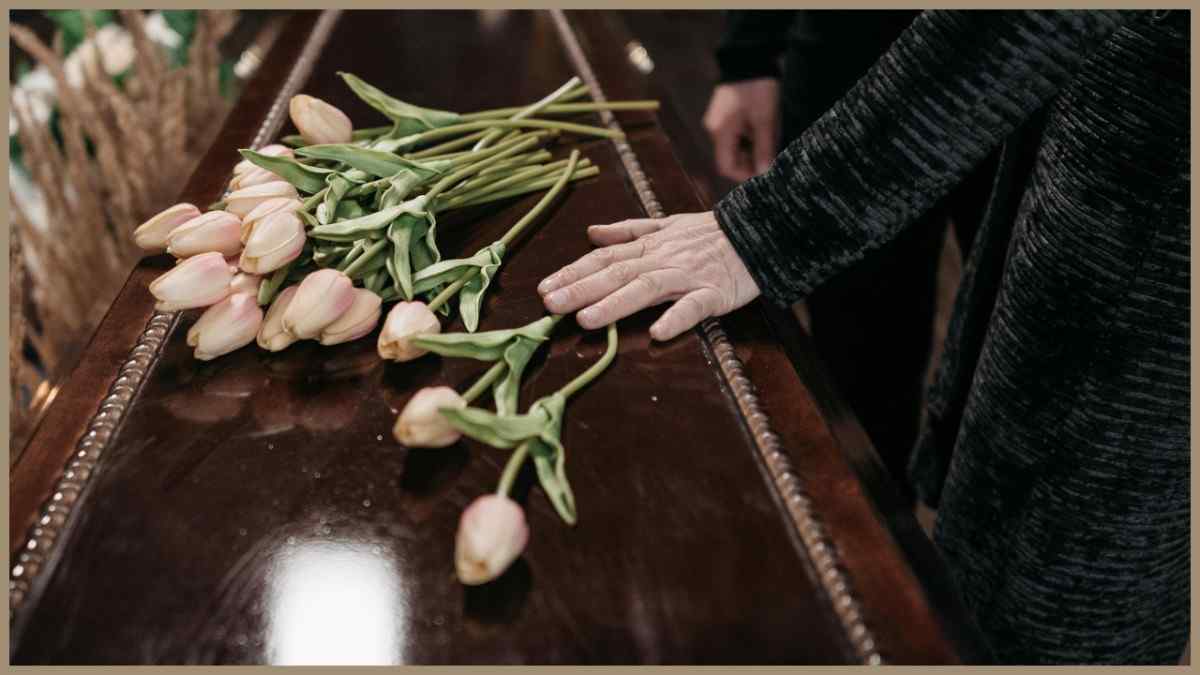
Loss confronts individuals with the challenge of honoring memory while traversing profound emotional pain. Traditional approaches to memorialization often follow standardized formats that may not capture the unique essence of a life lived or the specific needs of those left behind. Personalized and symbolic memorials offer an alternative path, one that transforms grief into meaningful action through tributes reflecting individual values, passions, and relationships. Understanding how these tailored approaches support healing reveals possibilities many mourners never consider during their most difficult moments.
Understanding the Role of Memorials in the Grieving Process
When someone dies, survivors often create physical markers to acknowledge their absence and preserve their memory. Memorials serve specific functions during grief: they designate a place where mourners can visit, reflect, and express emotions that remain unresolved. These structures anchor memories to tangible locations, which helps grieving individuals process their loss at their own pace. Research shows that memorial practices fulfill psychological needs. They allow survivors to honor the deceased, maintain bonds through ritual, and integrate the death into their ongoing lives.
Whether families choose headstones, plaques, benches, or trees, these objects provide continuity between past and present. The act of selecting, designing, and maintaining memorials gives mourners concrete tasks during a period when daily routines feel disrupted and purposeless.
Choosing Personalized Memorials That Reflect Individual Life and Values
Memorials gain meaning when they connect to specific details about the person who died. Families can select objects, symbols, and designs that represent hobbies, careers, beliefs, or passions. A gardener’s memorial might incorporate native plants they cultivated. A musician’s tribute could display their instrument or favorite compositions. Veterans’ memorials often include military insignia, service dates, and ranks earned.
Physical materials matter. Stone, wood, metal, or glass each convey different permanence and aesthetics. Engravings can state accomplishments, relationships, or principles the person practiced. Photographs capture exact likenesses rather than generic imagery.
Location choices also personalize memorials. Placing them in spaces the person frequented, gardens, workshops, trails, or community centers, grounds remembrance in authentic experience. These deliberate selections create memorials that document actual lives rather than abstract sentiments.
Using Bio Urns to Honor Life Cycles and Renewal
Bio urns convert cremated remains into nutrients that sustain tree saplings, flowering shrubs, or perennial plants. Families select native species that thrive in regional climates and soil conditions. The biodegradable container dissolves within months, releasing organic matter that feeds root systems during establishment phases.
Some families plant memorial trees on private property, while others coordinate with conservation programs that restore natural habitats. GPS coordinates mark planting locations for future visits. Growth patterns create tangible connections as branches expand and foliage changes with seasons. This approach appeals to individuals who valued environmental stewardship or spent significant time outdoors. The process transforms grief into active participation through site selection, species research, and ongoing care. Families document growth through photographs that capture seasonal development and long-term maturation.
Using Crystals for Mourning as Personal Emotional Symbols
Some families choose portable memorial objects rather than planted tributes. Crystals for mourning contain cremated remains within glass structures that survivors can hold, display, or wear. Artisans infuse ashes into molten glass, creating permanent keepsakes in selected colors and shapes. These objects serve distinct emotional functions. Survivors who relocate frequently keep the memorial with them. Others place crystals in multiple locations, home, office, or vehicle, to maintain connection throughout daily routines. The weight and texture provide tactile comfort during grief episodes.
Families select colors that recall the deceased: blue for ocean enthusiasts, green for gardeners, amber for warmth. The transparent material symbolizes enduring presence while acknowledging physical absence. Unlike biodegradable urns that disappear over time, glass preserves remains indefinitely. This permanence appeals to those who need lasting physical reminders of their loved ones.
Creating Rituals That Support Reflection, Remembrance, and Emotional Expression
Grief demands structured outlets that allow mourners to process loss at their own pace. Establishing personal rituals provides designated time to acknowledge pain, honor memories, and express difficult emotions. Mourners can light candles on specific dates, visit gravesites weekly, or journal thoughts directed to the deceased. These repeated actions anchor grief within manageable boundaries.
Physical rituals like arranging flowers, preparing favorite meals, or playing meaningful music create tangible connections to the person who died. Silent meditation, spoken prayers, or writing unsent letters permit emotional release without judgment.
Annual commemorations mark birthdays or death anniversaries with intentional remembrance rather than avoidance. Consistent rituals validate loss, normalize sadness, and demonstrate continuing bonds. They transform abstract grief into concrete actions, giving mourners agency during profound helplessness.
Involving Family and Community in Shared Acts of Remembrance
Collective mourning activities distribute the weight of grief across multiple people who share the loss. Family members gather to plant memorial gardens, organize annual remembrance gatherings, or establish scholarship funds that honor the deceased. These coordinated efforts connect individuals through shared purpose rather than isolated sorrow. Community participation expands the circle of support. Neighbors contribute to memory books, attend candlelight vigils, or prepare meals for grieving families.
Religious congregations hold memorial services that acknowledge loss within familiar spiritual frameworks. Workplace colleagues donate to chosen causes or dedicate spaces that recognize the person’s contributions. Coordinated remembrance validates individual grief while creating collective meaning. Participants witness each other’s pain, share stories that preserve memories, and demonstrate that the deceased mattered to multiple lives. This communal acknowledgment confirms the loss while preventing emotional isolation.
Incorporating Nature, Art, or Writing Into Personal Healing Practices
Natural environments provide measurable relief from acute grief symptoms. Mourners can plant memorial gardens, select perennial flowers, or designate specific outdoor spaces where they observe quiet reflection. These locations become dedicated sites for processing loss. Visual art offers structured methods to express difficult emotions. Bereaved individuals can paint portraits, sculpt clay figures, or arrange photo collages that document shared memories. The act of creating tangible objects helps organize fragmented thoughts during early grief stages.
Written expression documents the mourning process. Individuals can compose letters to the deceased, maintain daily journals, or record specific memories before details fade. This practice preserves important narratives and tracks emotional progress over months and years. Each method addresses different aspects of grief work through concrete, repeatable actions.
Allowing Memorials to Evolve as Grief Changes Over Time
Mourners often discover that permanent memorials require modification as their relationship with loss shifts. A memorial garden may need additional plantings after five years when new memories surface. Photograph arrangements might require reorganization as families grow or perspectives change. Written tributes benefit from periodic revision when understanding deepens.
Grief counselors observe distinct memorial needs across different mourning stages. Early memorials tend to preserve exact representations of the deceased, while later versions often reflect personal growth and acceptance. Some bereaved individuals replace formal monuments with functional tributes, scholarship funds, donated park benches, or community spaces bearing the deceased’s name.
Physical alterations to memorials demonstrate healthy grief progression rather than diminished love. Adding elements, removing items, or relocating memorials responds to authentic emotional needs. Memorials serve mourners best when they adapt alongside changing grief patterns.
