


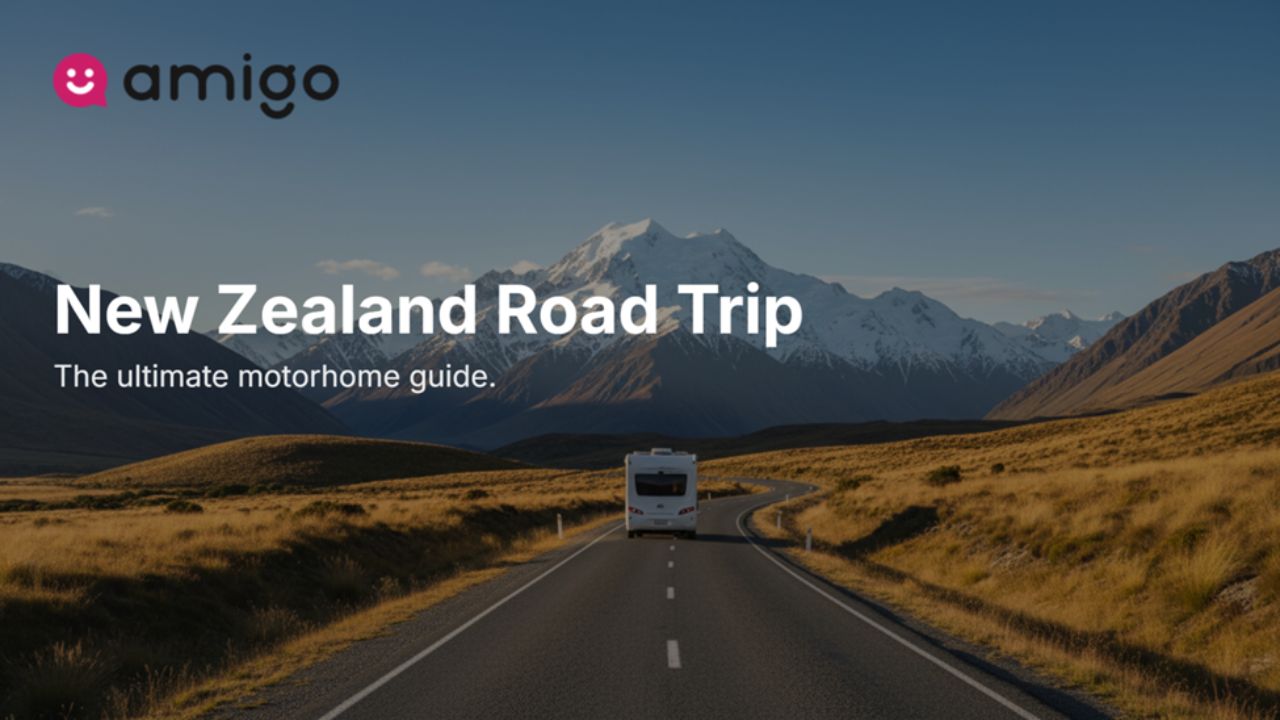
Embarking on a motorhome adventure across New Zealand is considered a premier global travel experience. Offering an unparalleled sense of freedom and immersion in nature. The country’s diverse geography, ranging from the volcanic peaks of the North Island to the dramatic fiords and Southern Alps of the South Island. Makes it perfectly suited for a self-drive holiday. A campervan allows travelers to wake up to the sound of crashing waves or the sight of snow-capped mountains right outside their window. Offering flexibility traditional hotels cannot match.
Whether you are planning a short loop from Christchurch or an extensive cross-country expedition starting in Auckland. A well-planned itinerary is the key to unlocking the true magic of Aotearoa. By combining iconic highlights like Milford Sound and Mount Cook with hidden gems and practical logistical planning. You can ensure your journey is as smooth as it is spectacular.
What are the essential preparations for a seamless journey?
Before hitting the open road, thorough preparation is critical to ensure your New Zealand road trip remains stress-free and enjoyable. The first step is securing the right vehicle. Rental companies like Apollo and Britz are popular choices, often with depots in major hubs like Christchurch and Auckland. Book your motorhome months in advance. Especially if you plan to travel during the peak summer season, as inventory can sell out quickly.
Next, plan your packing list. Even in summer, the weather can be unpredictable, particularly in alpine regions, so layers are essential. Furthermore, stocking up on groceries at larger supermarkets in cities before heading into remote areas will save you money and ensure you have supplies when camping in secluded spots. Logistical planning also involves mapping out fuel stops. As petrol stations can be sparse in regions like the Haast Pass, and understanding the specific requirements for your vehicle. Such as waste disposal and power hookups.
How do you choose the best eSIM for New Zealand?
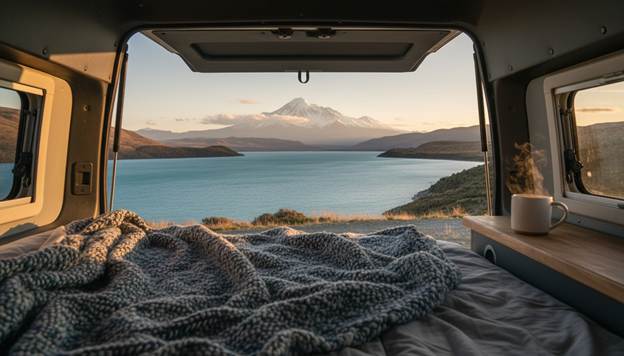
Maintaining reliable connectivity is not just a luxury but a safety necessity for navigating remote roads and booking campsites on the go. Rather than relying on expensive roaming charges or hunting for physical SIM cards upon arrival at the airport, savvy travelers are turning to modern solutions. Finding the best eSIM for New Zealand allows you to have data access the moment you land. Enabling instant use of GPS apps like Google Maps or CamperMate.
These virtual cards are embedded directly into compatible devices, offering a hassle-free setup process. For instance, providers like Amigo eSIM offer extensive network coverage that rivals local carriers. Ensuring you stay connected even when venturing into the rugged landscapes of the South Island. This seamless connectivity is vital for:
- Checking weather updates
- Monitoring road closures
- Keeping in touch with loved ones
Why are digital SIM options ideal for international travelers?
The shift towards virtual connectivity has revolutionized how international visitors manage their mobile data while abroad. Opting for digital SIM options provides flexibility and convenience that traditional physical cards cannot match. With a digital profile, there is no need to fumble with tiny plastic chips or worry about losing your primary home SIM card.
You can simply scan a QR code to activate your plan, often choosing from various data packages that suit the duration of your trip, whether it is a quick 7-day tour or a month-long expedition. This technology is particularly beneficial for motorhome travelers who move frequently between regions, as it ensures consistent access to high-speed internet for:
- Uploading travel photos
- Streaming entertainment
- Managing travel logistics
By eliminating the physical constraints of traditional telephony, digital SIMs allow you to focus entirely on the adventure ahead.
Which South Island route offers the best 7-day experience?
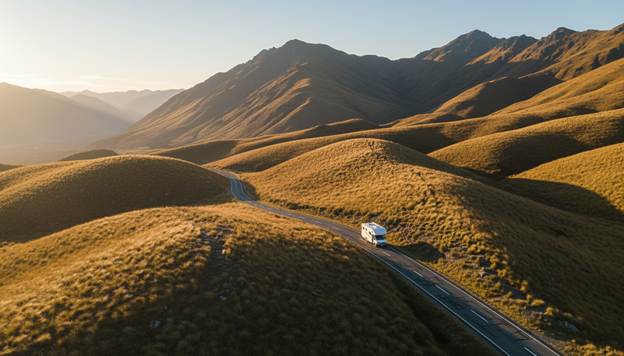
For travelers with limited time, a 7-day South Island loop starting and ending in Christchurch is the most efficient way to witness the country’s most dramatic scenery. After picking up your RV and stocking up on supplies in Christchurch, the journey typically heads inland towards the Mackenzie Basin. Day two and three should be dedicated to the turquoise waters of Lake Tekapo and Lake Pukaki, with the latter offering the most stunning approach to Mount Cook Village. Fill up on petrol at Pukaki, as it is the last station before the national park.
The route then winds south to Queenstown, the adventure capital, where a drive to Glenorchy offers iconic views of the red hut and filming locations. The return leg of the loop takes you through the Crown Range to Wanaka, famous for “That Wanaka Tree” and the hike to Roy’s Peak. A stop at the Blue Pools near Haast Pass provides a refreshing break before heading back through the Canterbury Plains to Christchurch. This itinerary packs in glaciers, alpine lakes, and vibrant towns without feeling overly rushed.
How can you expand your itinerary to cover 14 days?
With two weeks, you can significantly expand your horizons, potentially starting in Auckland on the North Island before crossing to the South Island for a comprehensive tour. A 14-day itinerary might begin with a visit to the cinematic Hobbiton movie set in Matamata and the geothermal wonders of the North before flying or ferrying to Christchurch to pick up a motorhome. From there, you can traverse the engineering marvel of Arthur’s Pass to reach the wild West Coast.
This extended timeframe allows for a slower pace down the coast to explore Glacier Country, where you can witness the Franz Josef and Fox Glaciers. The journey continues through the Haast Pass, a scenic drive laden with waterfalls like The Chasm and Thunder Creek Falls. The extra days are crucial for a deep dive into Fiordland National Park, allowing time for a cruise on Milford Sound and perhaps a detour to Te Anau to see the rare takahe birds. The route then loops back through Queenstown and Wanaka, ensuring you have ample time for weather-dependent activities like hiking the Hooker Valley track near Mount Cook before concluding in Christchurch.
What are the rules for freedom camping and holiday parks?
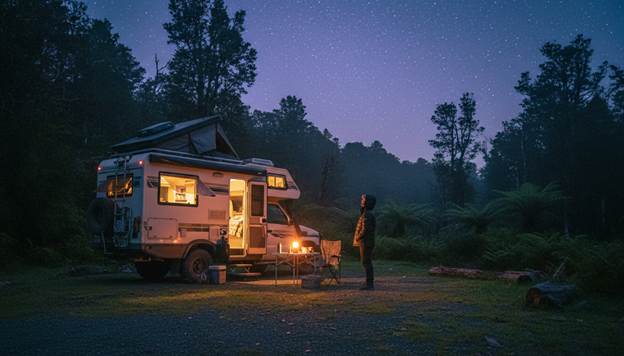
Understanding the difference between freedom camping and holiday parks is key to a successful motorhome trip in New Zealand. Freedom camping allows you to park overnight on public land for free, but it is strictly regulated to protect the environment. You generally must have a “certified self-contained” vehicle, meaning it can hold fresh and waste water for three days without external discharge. Local councils enforce these rules rigorously, and fines are issued for non-compliance or camping in prohibited zones.
Conversely, holiday parks and Department of Conservation (DOC) campsites offer a range of facilities from powered sites to simple non-powered spots. DOC sites, such as Pelorus Bridge, are often located in stunning natural settings and are budget-friendly, though facilities may be basic. Commercial holiday parks provide amenities like:
- Hot showers
- Laundry facilities
- Kitchens
These are a welcome luxury after a few days of wild camping. It is highly recommended to use apps like CamperMate to identify legal camping spots and read recent reviews from other travelers.
What should drivers know about navigating New Zealand roads?
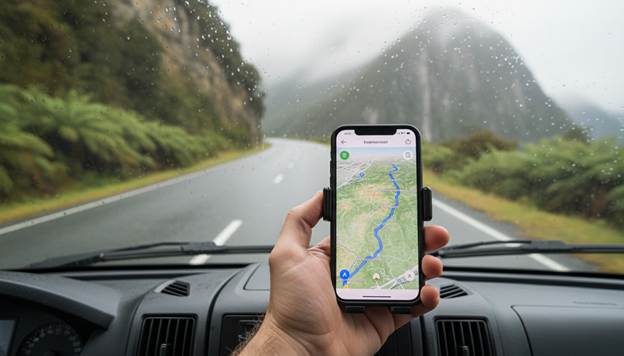
Driving a motorhome in New Zealand requires a different mindset and skill set compared to driving a standard car on a highway. First, traffic flows on the left side of the road. Beyond that, the roads themselves can be challenging; they are often narrow, winding, and lack the central barriers found in other countries. State highways are typically single lanes in each direction, and passing lanes can be infrequent.
Drivers must be prepared for varied terrain, including steep mountain passes like the Crown Range or Haast Pass, where heavy vehicles need to take breaks to let the engine and brakes cool. Furthermore, travel times are almost always longer than GPS estimates suggest due to winding roads and the frequent desire to stop for photos. It is also common to encounter one-lane bridges where you must yield to oncoming traffic based on signage. Patience and caution are your best assets when navigating these scenic but demanding routes.
When is the optimal time for a campervan holiday?
Choosing the right time of year can make or break your motorhome experience. Summer (December–February) is the most popular, offering long daylight hours and warm temperatures ideal for swimming and hiking. However, this is also peak tourist season, meaning campsites need to be booked months in advance, and roads can be busier.
The “shoulder seasons” of autumn (March to May) and spring (September to November) are often considered the sweet spot for savvy travelers. During autumn, the weather remains stable and mild, and regions like Central Otago burst into vibrant hues of gold and red, while the crowds significantly thin out. Spring brings cascading waterfalls and blooming wildflowers, though the weather can be more volatile with spring rains. Winter (June to August) transforms the South Island into a snowy wonderland, perfect for skiers, but requires a vehicle equipped with snow chains and a high tolerance for cold nights. Ultimately, the best time depends on your tolerance for crowds versus your desire for warm weather.
