


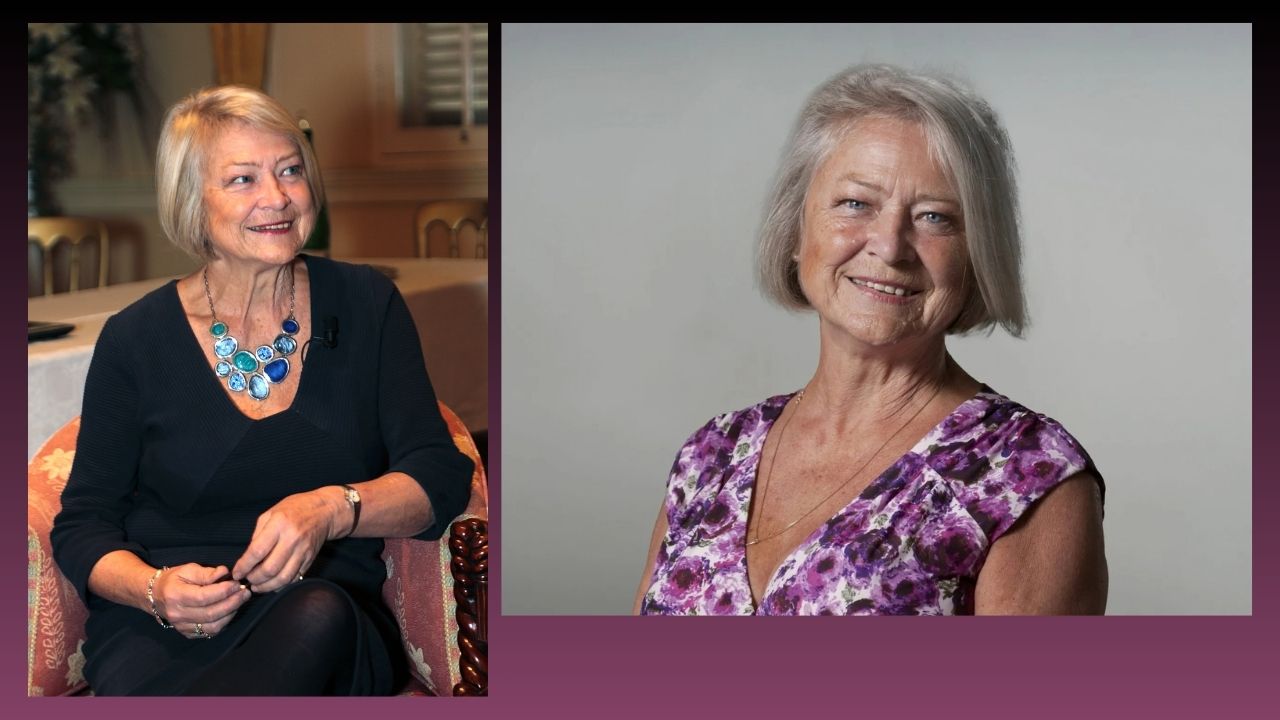
The Power and Legacy of Kate Adie
Kate Adie is a name that represents courage, integrity, and excellence in journalism. Her career spans decades of frontline reporting from some of the most dangerous and pivotal global events of the 20th and 21st centuries. Known worldwide for her work as a broadcast journalist, Kate Adie redefined what it means to be a reporter in zones of conflict and crisis.
From her early days at the BBC to her later role mentoring young journalists and contributing to public understanding of news, Kate Adie’s journey is both inspiring and instructive. In this comprehensive article, we explore her life, career, impact, and legacy in journalism. Throughout, the keyword kate adie is naturally integrated to enhance search visibility and relevance.
Early Life and Path to Journalism
Kate Adie was born Kathryn Adie on 19 September 1945 in Whitley Bay, Northumberland, England. She was adopted as a baby and raised in Sunderland, where her formative years shaped her resilience and curiosity about the world. At a young age, she developed a love for languages and studied Scandinavian Studies at the University of Newcastle upon Tyne. This early exposure to different cultures and languages helped prepare her for the adaptability required in international reporting.
Her university years included teaching English in northern Sweden, which boosted her confidence and broadened her perspective on global issues. These experiences were crucial in shaping the worldview that Kate Adie would bring to her reporting on world affairs.
Breaking into Broadcasting
Kate Adie’s journalism career began in local radio, starting as a station assistant at BBC Radio Durham. She later took roles at BBC Radio Bristol, gaining practical experience in production, reporting, and live broadcasting. This early foundation in radio taught her the core principles of news – accuracy, clarity, and timeliness.
In 1979, Adie transitioned to national television with BBC News. Initially serving in regional news roles, she quickly demonstrated her ability to report with precision and composure under pressure. Her clear storytelling and unfiltered delivery made her a standout journalist, establishing her as a rising talent in the BBC news network.
The 1980 Iranian Embassy Siege: A Career-Defining Moment
A pivotal moment in Kate Adie’s career occurred during the 1980 Iranian Embassy siege in London. On that day, she reported live as the SAS ended the hostage crisis. Her calm, real-time broadcast to millions brought her national prominence and showcased her capacity to deliver complex, unfolding events with authority.
This incident was not only a career milestone but also demonstrated that Kate adie was a journalist unafraid to place herself at the center of dramatic news stories. It set the tone for her future work, which would consistently involve reporting from high-risk situations around the globe.
Career at the BBC: Frontlines and Conflict Reporting
Following her breakthrough, Kate Adie became one of the BBC’s most trusted correspondents. Throughout the 1980s and 1990s, she reported from numerous conflict zones and historical events worldwide.
Some of her most notable assignments included:
- The Troubles in Northern Ireland, where political tensions and violence required sensitive and accurate reporting.
- The Gulf Wars, covering both military strategies and human impact.
- The Balkan Wars, including the breakup of Yugoslavia in the 1990s.
- The Rwandan Genocide, a devastating humanitarian crisis that required empathetic coverage.
Among these assignments, her reporting from Tiananmen Square in Beijing in 1989 stood out. Kate Adie and her team were among the very few Western journalists present during the crackdown on protestors. Despite facing direct threats, she continued delivering factual and compelling coverage, demonstrating her fearlessness and commitment to truthful reporting.
These assignments solidified Kate adie as a journalist dedicated not only to reporting facts but also to highlighting the human stories behind global events.
Chief News Correspondent and Leadership
In 1989, Kate Adie was appointed Chief News Correspondent for BBC News, a role she held for fourteen years. This position recognized her experience, judgment, and editorial skill, placing her in charge of the BBC’s coverage of major global conflicts and political developments.
Her leadership extended beyond reporting; she mentored younger journalists and set the standard for accurate, ethical, and courageous journalism. Kate Adie became a benchmark for frontline reporting and inspired countless journalists, particularly women, to enter areas traditionally dominated by men.
Life After BBC: Freelance and Radio Work
After retiring from frontline reporting in 2003, Kate Adie continued to contribute to journalism as a freelance journalist, commentator, and broadcaster. She remained active on Radio 4’s “From Our Own Correspondent”, a program where she contextualizes stories from global correspondents and provides insightful commentary on current events.
Her radio contributions allow Kate Adie to continue shaping public understanding of international affairs while maintaining her signature empathetic and detailed reporting style. This work has kept her engaged with audiences and maintained her influence in the field of journalism.
Writing and Literary Contributions
In addition to her broadcast work, Kate adie is a prolific author. Her books reflect her personal experiences, her insight into global conflicts, and her interest in human stories. Some notable works include:
- The Kindness of Strangers, an acclaimed autobiography detailing her career and experiences in conflict zones.
- Corsets to Camouflage: Women and War, exploring women’s roles in warfare and reporting.
- Nobody’s Child, focusing on the lives of abandoned children around the world.
- Into Danger, examining individuals who take on perilous professions.
- Fighting on the Home Front, highlighting women’s contributions during World War One.
Her writing extends her influence beyond journalism, combining storytelling, history, and human resilience in a way that engages readers worldwide.
Archiving Her Legacy: The Kate Adie Collection
In 2025, a significant milestone in preserving Kate Adie’s legacy occurred when the University of Sunderland curated a dedicated archive of her professional work. The Kate Adie Collection includes notebooks, photographs, recordings, and other artifacts from her career.
This archive is not only a historical record but also serves as a resource for future generations of journalists and students. It reflects her enduring impact on journalism and her commitment to ethical, fearless reporting.
Honors, Awards, and Influence
Kate Adie has received numerous awards for her contributions to journalism, including:
- The BAFTA Richard Dimbleby Award for excellence in news reporting.
- Officer of the Order of the British Empire (OBE) in 1993.
- Commander of the Order of the British Empire (CBE) in 2018.
- Lifetime achievement recognitions and industry fellowships for her pioneering work.
Beyond awards, she has influenced journalism through mentoring, judging literary prizes, and serving as a trustee in cultural institutions. Her work as chancellor of Bournemouth University has advanced education and fostered excellence in journalism.
The impact of kate adie is evident in the inspiration she provides to aspiring journalists, particularly women seeking to enter high-risk international reporting. Her career demonstrates that courage, integrity, and dedication remain at the heart of meaningful journalism.
Conclusion: A Life Committed to Truth
Kate Adie’s story is not just about reporting news; it is about bearing witness to history with honesty, humanity, and courage. From war zones to radio studios, from bestselling books to curated archives, her work reflects a deep commitment to telling important stories with clarity and compassion.
Through decades of service, Kate adie has inspired generations of journalists and readers worldwide. Her legacy affirms the power of truthful reporting and the crucial role journalists play in shaping society’s understanding of global events. Kate Adie remains a living example of journalistic excellence and the enduring importance of human storytelling.
READ MORE: Practical CTO Guide: How to Choose a Nearshore Software Development Partner in 2026
