


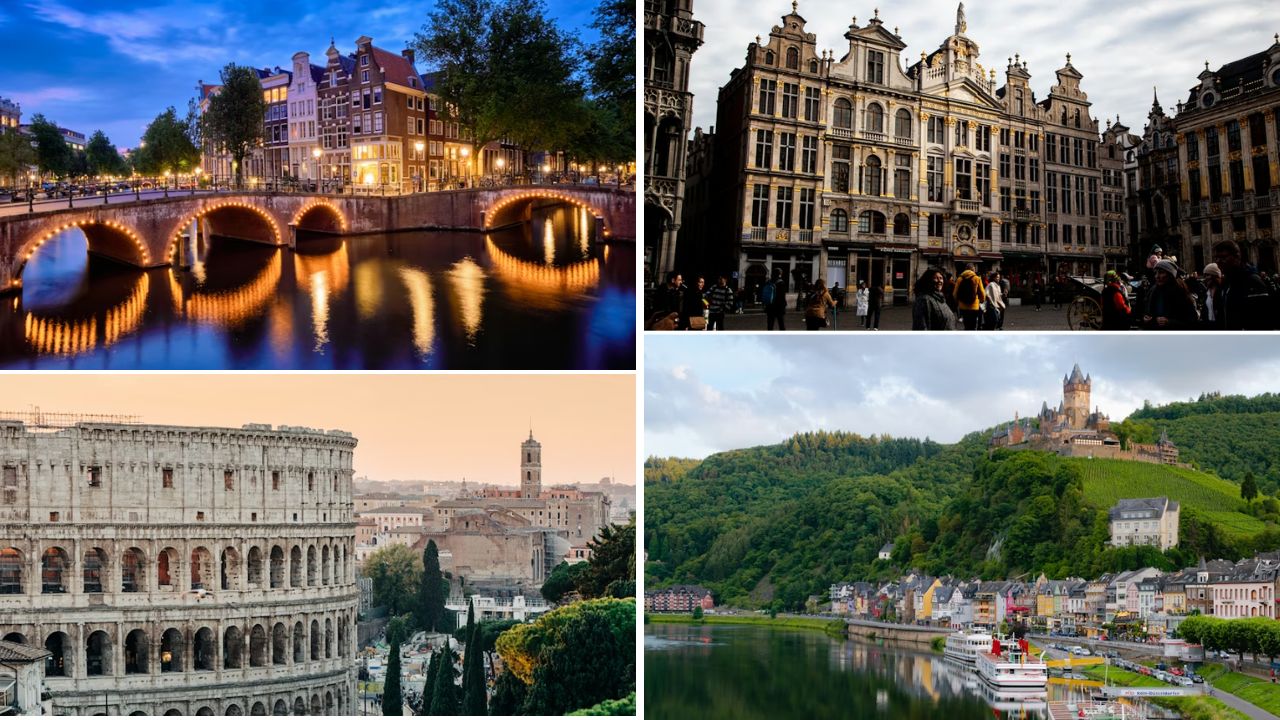
Choosing sustainable accommodation in Barcelona in local neighborhoods like Sant Antoni helps travelers experience the city more responsibly while supporting local communities and reducing their environmental footprint.
As European cities continue to welcome millions of visitors each year, the importance of sustainable urban travel has never been greater. Travelers today are increasingly aware that their choices—where they stay, how they move, and what they consume—can significantly impact both the environment and local culture. Fortunately, adopting a more responsible approach doesn’t mean sacrificing comfort or experience. In fact, it often leads to richer, more authentic travel.
Embrace Local Neighborhoods Over Tourist Hotspots
One of the most effective ways to travel sustainably is to step outside crowded tourist centers and explore residential neighborhoods. In cities like Barcelona, areas such as Sant Antoni offer a perfect balance between authenticity and accessibility. These districts are vibrant, less congested, and deeply connected to local life.
By staying in such neighborhoods, travelers contribute directly to small businesses—local cafés, family-owned restaurants, and independent shops—rather than large, tourist-driven chains. This supports the local economy and helps preserve the character of the city.
Choose Responsible Accommodation
Accommodation plays a major role in sustainable travel. Opting for eco-conscious stays or thoughtfully designed apartments can significantly reduce your environmental footprint. Many modern accommodations now incorporate energy-efficient systems, reduce single-use plastics, and promote longer stays over quick turnover tourism.
Additionally, staying in well-integrated urban apartments rather than large hotels often leads to a more immersive experience. You’re not just visiting the city—you’re living in it, even if only for a few days.
Slow Down Your Travel Pace
Sustainable travel is closely tied to the concept of “slow tourism.” Instead of rushing through multiple cities in a short time, consider spending more time in fewer places. This reduces transportation emissions and allows for deeper cultural engagement.
In Barcelona, this might mean spending a morning at a local market, enjoying a leisurely lunch, and exploring neighborhoods on foot rather than ticking off a long list of attractions. The slower pace not only benefits the environment but also enhances your overall experience.
Use Public Transport and Walk More
European cities are known for their excellent public transportation systems, and Barcelona is no exception. Buses, metros, and trams are efficient, affordable, and far more sustainable than taxis or rental cars.
Walking and cycling are even better options. Not only do they produce zero emissions, but they also allow you to discover hidden corners of the city that you might otherwise miss. Exploring on foot is often where the most memorable travel moments happen.
Support Local Food and Sustainable Dining
Food is a central part of any travel experience, and choosing where you eat can make a difference. Seek out restaurants that prioritize locally sourced ingredients, seasonal menus, and traditional recipes.
Neighborhood markets, such as those found in Sant Antoni, are excellent places to experience authentic cuisine while supporting local producers. Avoiding heavily commercialized dining spots helps reduce the environmental impact associated with mass tourism.
Respect Local Culture and Community
Responsible tourism is not only about the environment—it’s also about respecting the people who live in the places you visit. This includes being mindful of noise, following local regulations, and understanding cultural norms.
Simple actions like learning a few basic phrases in the local language or respecting quiet hours in residential areas can go a long way in maintaining positive relationships between travelers and communities.
Reduce Waste and Travel Mindfully
Small habits can make a big difference. Carrying a reusable water bottle, avoiding single-use plastics, and being conscious of waste are all easy steps toward more sustainable travel.
Many European cities are actively working to reduce waste and promote recycling, and travelers can support these efforts by following local guidelines and making environmentally friendly choices.
Final Thoughts
Traveling sustainably in European cities is about making thoughtful, intentional decisions. By choosing local neighborhoods, supporting responsible accommodation, and embracing a slower pace of travel, you not only reduce your environmental impact but also gain a more meaningful connection to the places you visit.
Barcelona, with its rich culture and diverse neighborhoods like Sant Antoni, offers the perfect setting to experience this approach. When travelers shift their mindset from consumption to connection, travel becomes not just more sustainable—but far more rewarding.
