


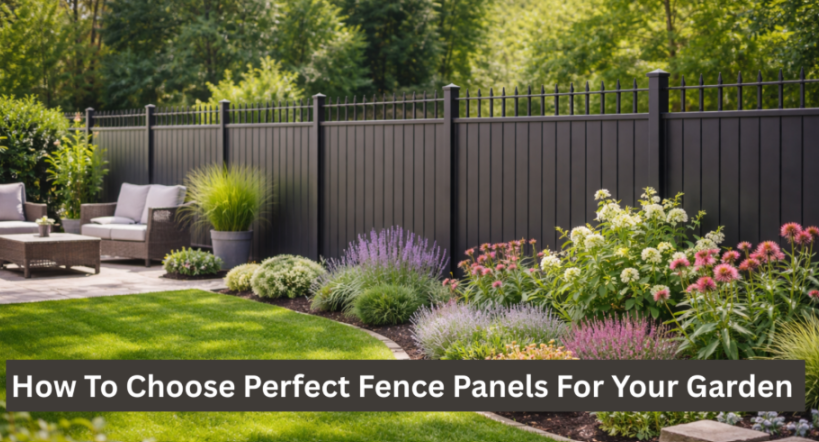
Panels that block too much light, require constant maintenance, or blend in poorly with your garden design can often be a long-term frustration rather than a solution. At the same time, with so many styles, materials, and configurations to choose from, making the right decision can be overwhelming.
Each option is multidimensional in its purpose, and not all the panels are good for every garden layout or lifestyle. This article guides you through the most important factors to consider in order to make a confident choice of fence panels that are right for your garden’s needs, look, and long-term expectations.
1. Start With Your Primary Purpose
Before considering styles or finishes, it is important to define why you need fencing in the first place. Some homeowners are interested in more privacy, while others are interested in safety, pet containment, or simply adding structure to their garden.
At the start of your decision-making process, think thoroughly about the way that fence panels will be used. If privacy is a priority, then solid or semi-solid designs could work better. On the other hand, if visibility and airflow are more important, open or decorative panels could be a smarter choice.
Additionally, consider how the fence will interact with the rest of your outdoor space. A garden used for relaxation may require a more subtle boundary, whereas a family garden may call for stronger and more secure panel designs. When the purpose comes first, all other decisions become easier.
2. Choose Right Material for Long-Term Value
Once the purpose is clear, the next step is the selection of the material that relates to both performance and maintenance expectations. Different materials behave differently over time, especially when exposed to the weather.
Metal fence panels, for instance, may be preferred because they are excellent in terms of durability and structural strength. They are resistant to warping, pests, and rot much better than many traditional options. In addition, modern finishes can help prevent corrosion and minimize long-term maintenance.
Meanwhile, lighter materials may provide easier installation and flexibility but may need more frequent care. Therefore, it is important to balance the upfront cost and long-term value. A panel that lasts longer and requires little maintenance is often more cost-effective in the long run.
3. Consider Garden Layout and Panel Dimensions
Every garden has a unique shape, slope, and size. As a result, fence panels should complement the layout and not fight against it. Panel height, width, and spacing all have a role in making the final installation appear more seamless.
For the smaller garden, tall or bulky panels may be overpowering and restricting the light that passes in. In contrast, larger spaces can benefit from taller panels that create definition without crowding the area. Additionally, if your garden is located on varying ground, you can use panel systems that fit the slope, keeping your garden clean and professional-looking.
It is also worth giving thought to how gates, corners, and transitions will integrate with the panels. A well-planned layout helps avoid awkward gaps and provides consistency along the entire boundary.
4. Balance Style With Practical Design
While function is important, aesthetic values should never be forgotten. Fence panels greatly add to the aesthetic of your garden, and the wrong style can ruin an otherwise well-designed garden.
Clean-lined panels with modern finishes can often suit contemporary gardens, whereas more decorative or ornamental ones may suit traditional landscapes. However, visual appeal should always be balanced with usefulness. For example, beautifully designed objects may be aesthetically pleasing to look at, but they may be more difficult to clean or maintain.
Furthermore, consider the appearance of the fence from both inside and outside the garden. Panels that provide a uniform look on each side may provide a more polished look and increase curb appeal.
5. Think About Installation and Maintenance Needs
Another important factor is the way in which the panels will be installed and maintained over the long term. Some fencing systems are made to be relatively easy to install and can be used in DIY projects. Others may require professional tools or expertise.
Ease of maintenance is also equally important. Panels that need to be regularly painted, sealed, or fixed can be time-consuming. Low maintenance, on the other hand, lets you enjoy your garden without having to constantly adhere to its maintenance.
In addition, note the ease with which damaged panels can be replaced. Modular systems can often permit the easy substitution of certain sections without affecting the fence as a whole, which can save time and money in the long run.
6. Plan For Future Use and Longevity
Finally, it is wise to think beyond your current needs. Gardens evolve over time, and your fencing should be able to adapt along with them. Whether you plan to add landscaping, install outdoor lighting, or expand your garden, the fence panels you choose should support those changes.
Longevity also plays a major role in overall satisfaction. Panels built with quality materials and protective finishes are more likely to retain their appearance and performance for years. As a result, investing in durable fencing now can prevent costly replacements later.
Conclusion
Choosing the perfect fence panels for your garden requires more than picking a design you like. It involves understanding your goals, selecting the right materials, considering layout and style, and planning for long-term use.
When each of these factors is thoughtfully addressed, the result is a fence that enhances both the function and beauty of your outdoor space. By following a structured approach, you can avoid common mistakes and make a confident decision that adds lasting value to your garden.


