


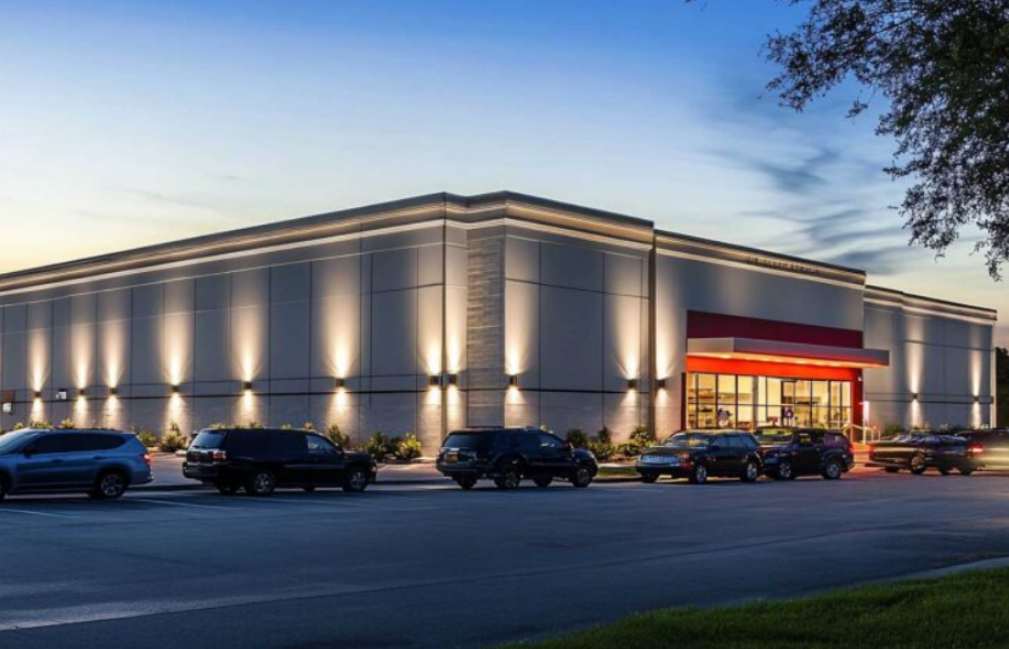
Lots of people are not aware of the question of how lighting can influence mood and performance. For instance, when you walk into an office after a long weekend, you may be tired or lack concentration, and lighting tends to be a secret factor.
Brightness, shadows, or even flat lighting can be harsh, uneven, or dull, all of which can complicate even the simplest tasks. In retail, low-lit displays leave the customers in uncertainty or can make them less interested. These are real business issues that have quantifiable impacts.
There is a solution. Specifically, well-considered lighting will also increase the level of comfort, productivity, and even the perception of products and spaces among people. Current lighting options are not simply about the number of lumens, but also take into account the human reaction, optical comfort, and the way they influence behavior.
This article discusses how lighting shapes work and shopping environments, and why implementing smart design matters.
1. Retail Space Experience Benefits
Commercial lighting can be critical in the way customers experience the store entrance. For example, considerate location, color temperature, and contrast bring the products to the focus and make them attractive. Moreover, correct lighting illuminates the textures, shapes, and colors, which automatically brings the focus to the key displays.
Intentional light schemes make the retail spaces look friendlier and are indicative of quality. Research in clothing outlets reveals that customers have varying perceptions of space and clarity in relation to lighting. The level of illumination and color temperature also affect visual comfort and the psychological perception of the goods.
Accent lights can highlight featured items and create visual interest. Warm lighting encourages relaxed browsing, while cooler lighting supports focused examination. When lighting is well-planned, shoppers move through spaces more easily, engage with products longer, and leave with a stronger impression of the store’s quality.
2. Office Focus And Performance Gains
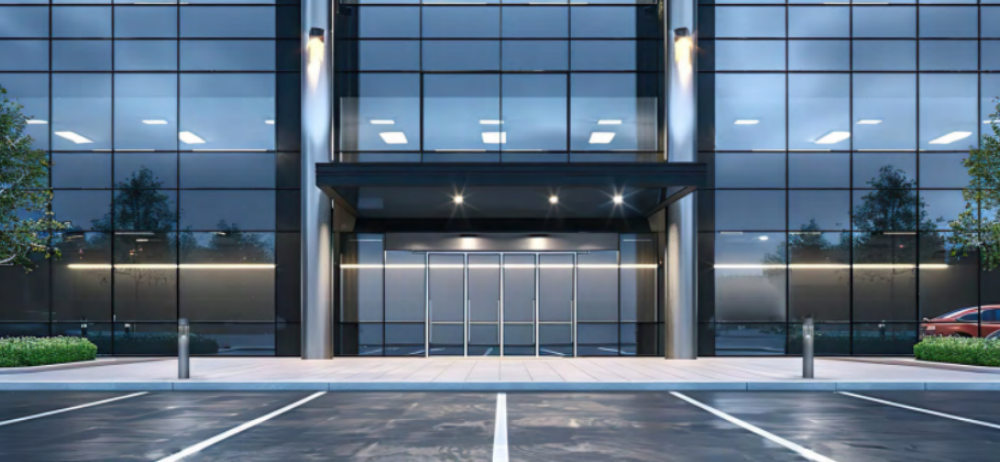
The lighting used in offices determines how individuals work and feel during the day. When office light is in sync with daylight rhythms and work requirements, employees tend to complain less about exhaustion and discomfort. Modern lighting research shows that the spectral qualities and distribution of light influence alertness, comfort, and visual performance.
Visual design in workplace environments should aim for comfortable illuminance levels and avoid harsh contrasts that cause glare or strain. Humancentered lighting strategies focus on matching lighting to both visual task requirements and human physiological needs. Wellbalanced light supports sustained concentration and reduces microbreaks caused by eye discomfort or distraction.
Lighting decisions now consider equivalent melanopic lux, a measure of how light affects circadian rhythms. This shift demonstrates the change in the world of task-oriented lighting toward solutions that provide consideration of both well-being and productivity.
3. Health, Comfort, And Satisfaction Links
Lighting is not merely a way to make people see something, but it also influences their mood. In office research, the occupants were more satisfied with settings that were well-lit and comfortable. Furthermore, accessibility to daylight and increased illumination levels usually go hand in hand with higher psychological contentment and less strain.
These effects are not just about brightness. Variables like daylight exposure patterns, window size, and glare influence how individuals perceive their workspace. Therefore, good lighting design blends artificial light with natural light strategies to achieve balance without overwhelming users.
When people feel physically comfortable in a space, their cognitive performance improves as well. Satisfied occupants tend to show fewer stress responses and make fewer errors during complex tasks.
4. Brand Identity And Customer Behavior

Lighting in the retail setting is a component of a brand image. In fact, the first impressions that shoppers make are based on visual indications, and lighting is a strong indicator. As a result, products would shine, and store spaces would seem more vibrant and livelier, because materials would be richer in light, and the color temperatures should be properly selected.
Spaces could also be psychologically separated with lighting zones. For instance, the brighter the light in new arrivals areas, the fresher and more energizing it feels, whereas the milder it is in lounge areas, the more comfortable it becomes. Overall, this communicative medium of light use triggers interest in the shopper and can even dictate buying behavior.
Retailers who align lighting with their brand narrative help customers feel more connected and confident in their choices. Thoughtful lighting design subtly supports the broader sensory experience, from entryway appeal to product interaction.
5. Energy And Operational Efficiency
Commercial spaces face twin challenges: providing effective light and controlling operational costs. Welldesigned lighting systems can deliver both visual performance and energy savings when they use appropriate technologies and controls.
Advances in lighting fixtures and control systems allow businesses to tailor illuminance to actual needs. For example, dimming functions and occupancy sensors cut energy use during lowtraffic periods. These upgrades also reduce heat loads from lighting, which lowers airconditioning energy consumption and helps overall building efficiency.
Retail and office environments that monitor and adjust light according to realtime usage create more sustainable spaces without sacrificing comfort or performance. Energysavvy lighting design supports operational goals while maintaining high environmental quality.
Conclusion
Effective lighting transforms spaces. In retail, it draws attention, shapes mood, and subtly guides purchases. It also reinforces brand identity and creates memorable customer experiences. In offices, it improves focus, comfort, and overall productivity. Careful lighting design is not an option, as it directly influences the perception and interaction of individuals with a space.
Take a close look at your environment. Adjust brightness, color, and placement to match tasks and moods. Even small, intentional changes in lighting can make spaces feel more inviting, support better performance, and enhance overall satisfaction. Start by evaluating the areas where people spend the most time and identify opportunities for targeted improvements.
