


It’s a question many of us will have faced over the years – just how sustainable can I make my home? For older properties, built with outdated technologies and at a time when priorities were different, you might hit this limit sooner than you’d like.
So, how do you work out whether you’ve done all you can in your current property? When is it time to make the call to move on and start a sustainable project elsewhere? Let’s explore further.
Make Sure You’ve Done the Basics
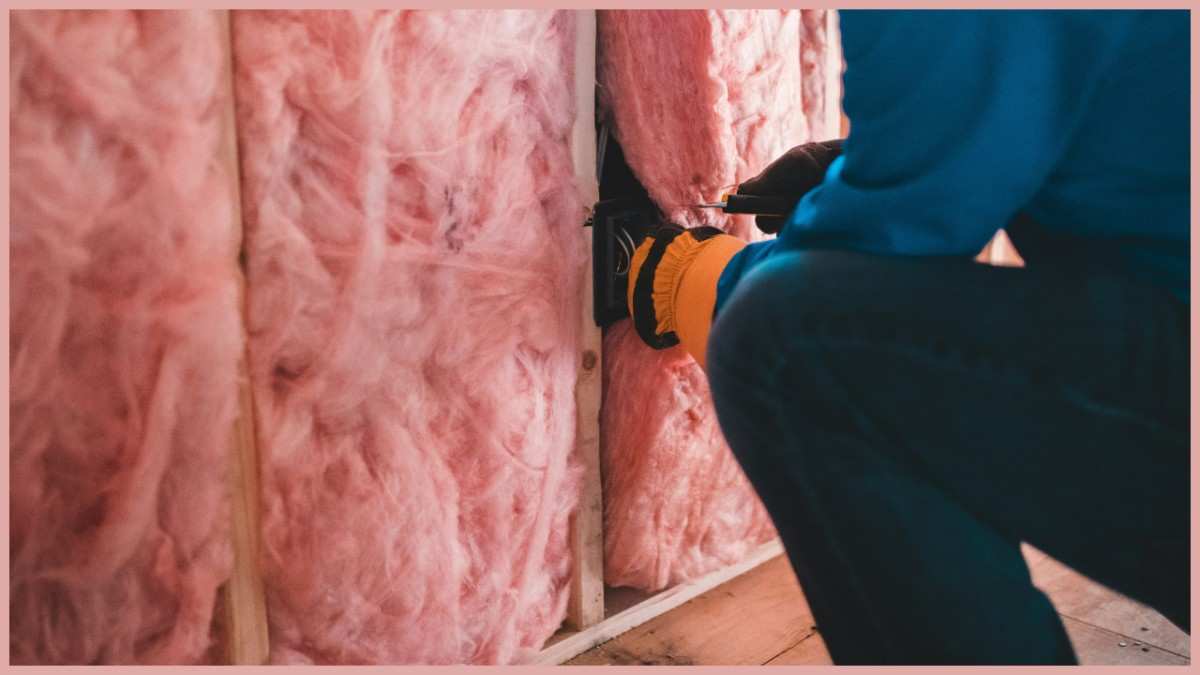
Regardless of the age and type of your property, there are some changes that can be made to almost any home to make it more sustainable. Upgrading your insulation is one of the easiest starting points. Adding solid wall insulation to a detached property can save up to 1500kg of carbon dioxide per year, and make savings on your energy bills too.
However, there’s no point improving wall insulation if your house is leaking heat through old, poorly maintained windows. Replacing single glazing should be a top priority, with even older double glazing units failing to meet stringent house energy emissions standards. Triple glazing can cut down on heat loss significantly, as long as it’s paired with good insulation throughout the rest of the property.
A third direction to explore is alternative energy sources. Fossil fuels are fast depleting, and contribute enormously to climate change. Solutions such as solar panels, biomass boilers and heat pumps can reduce, and in some cases even remove, the demands your property places on the power grid.
Time to Start the Search for a New Project?
Once you’ve done the research on these technologies, it’s time to apply their potential benefits to your home, and calculate just how much difference they can make to your individual circumstances. Only you can make the final decision about whether it’s enough to meet your personal sustainability targets.
If you have an older home, you may find that there’s a limit to how much you can do. Rules around permitted changes in conservation areas, for example, can limit your options on materials you can use, or even prohibit you from making the changes you want altogether.
In these cases, it may make sense to explore other properties in your area, which will allow you to make the changes you require. You might even take the step of building your own eco-house. In this case, the first item on your to-do list will be financing this project. You’ll probably want to start by finding out what your current house is worth – a quick search for “value my house” will yield answers to this question. You may want to put your house on the market in the traditional way, using an estate agent, or you may explore cash-buying options for a quicker sale, if you want to kickstart your project.
Even in properties where you’re allowed to upgrade insulation, replace windows with triple glazing, and install solar panels, the limitations of your house might make selling up a better option. Whatever method you choose, the right property is out there for you.
