


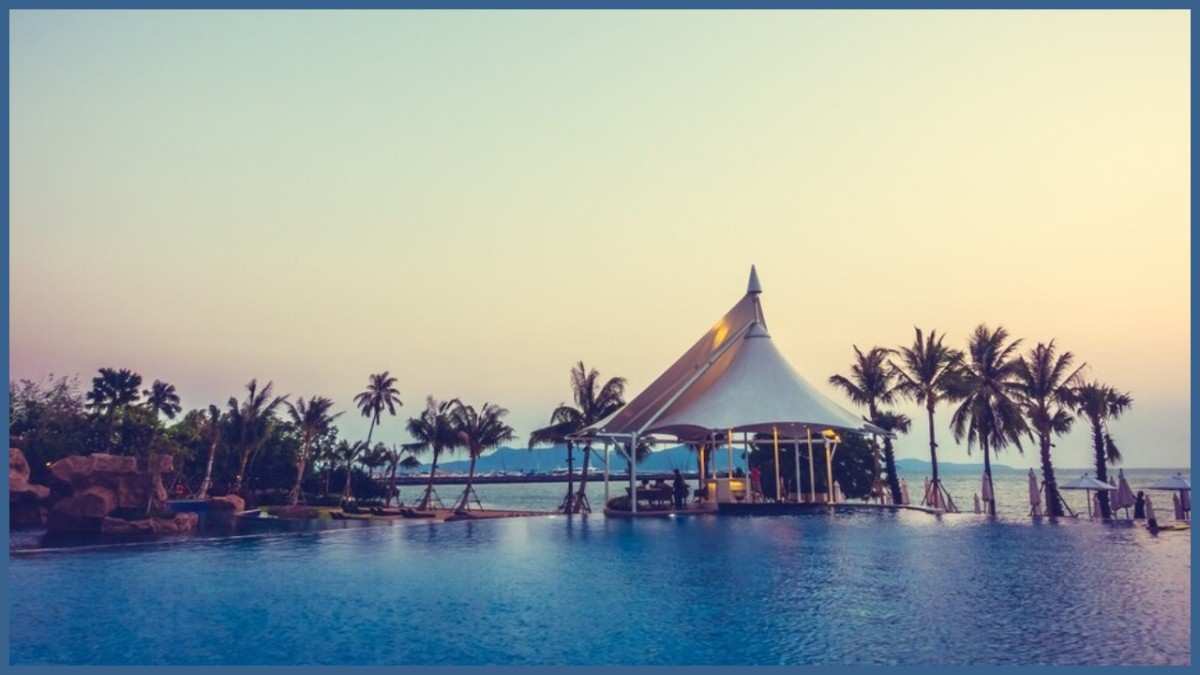
Coastal cities around the world are facing a shared dilemma: how to expand without accelerating environmental degradation. Rising sea levels, fragile marine ecosystems, and extreme climate conditions have made waterfront development one of the most contested areas of modern urban planning. Along the northern edge of Dubai. The master-planned district commonly associated with the Nakheel Dubai Island initiative offers a contemporary case study in how large-scale coastal growth is being approached under these constraints. Designed across five interconnected islands, Dubai Islands reflects a shift away from purely iconic construction toward systems-based planning that attempts to balance urban expansion with ecological responsibility.
Early development across the district shows how planners and developers are testing this balance on the ground. Residential and mixed-use projects such as Elle Residences, Ellington Cove, Azizi Wasel, Bay Villas by Nakheel, and other waterfront developments are emerging within a shared environmental framework. While each project differs in architectural language and density. They operate within planning guidelines shaped by shoreline protection, infrastructure sequencing, and climate adaptation. They show how planners are increasingly embedding environmental considerations at the district level instead of treating them as optional design features.
The Environmental Cost of Coastal Expansion
Building on or near the coast inevitably alters natural systems. Land reclamation, shoreline engineering, and increased human activity place pressure on marine habitats and water quality. Historically, many waterfront developments addressed these impacts reactively, focusing on mitigation after construction was underway. Dubai Islands represents an attempt to integrate environmental considerations earlier in the planning process.
From the outset, developers have treated coastal protection as a foundational layer. They design breakwaters, revetments, and shoreline stabilization systems to protect buildings and manage erosion and tidal movement over time. These measures acknowledge that environmental stability is essential to long-term urban viability. Particularly in regions exposed to rising temperatures and sea-level change.
Climate-Responsive Urban Planning in Extreme Conditions
Dubai’s climate presents one of the most challenging environments for sustainable urban growth. High temperatures, intense solar exposure, and limited freshwater resources require design strategies that go beyond conventional sustainability measures. Dubai Islands planners understand that achieving environmental performance at scale is essential.
Urban planners use street orientation, building spacing, and open-space distribution to promote airflow and reduce heat accumulation. Shaded pedestrian routes and waterfront breezes contribute to cooler microclimates, lowering reliance on mechanical cooling in public areas. While these measures do not eliminate energy demand. They reduce its intensity and improve overall comfort, particularly in outdoor spaces where heat often limits usability.
Water as a Finite Resource
Freshwater scarcity remains one of the most critical environmental challenges in arid regions. Sustainable coastal development depends on minimising water consumption and managing wastewater responsibly. Landscaping strategies on Dubai Islands favour drought-tolerant planting and efficient irrigation systems designed to reduce water loss through evaporation.
At the infrastructure level, planners design drainage and wastewater systems to prevent runoff from entering coastal waters untreated. This is essential for protecting marine ecosystems and maintaining water quality along public beaches. Dubai Islands manages water at the district scale to reduce the risk of fragmented systems that often arise when developers plan independently.
Density, Livability, and Environmental Balance
Environmental impact is closely linked to how density is managed. Excessive concentration can strain infrastructure and amplify heat-island effects, while overly dispersed development increases land consumption and transport emissions. Dubai Islands navigates this balance through a predominantly low- to mid-rise urban form distributed across multiple islands.
Horizontal expansion moderates density without sacrificing access to waterfront land. Designers space buildings to allow light and ventilation, and public areas buffer the built zones. From an environmental perspective, this approach supports both energy efficiency and social wellbeing, recognising that livable environments are more likely to encourage sustainable behaviour.
The experience unfolding along Dubai’s northern shoreline underscores a broader shift in how cities approach the coast. Rather than treating it as a backdrop for growth, Dubai Islands positions the shoreline as a living system—one that must be protected, managed, and respected if urban life is to remain sustainable in the decades ahead.
