


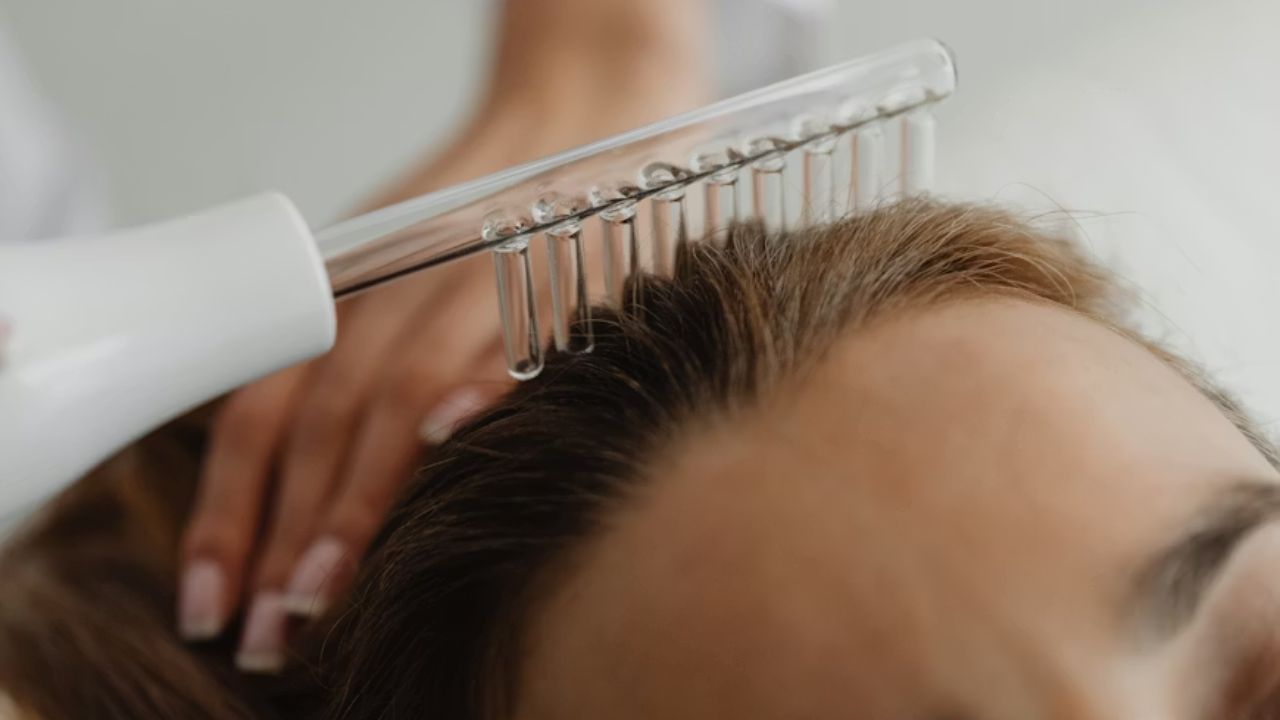
Hair loss is a common concern affecting millions of people, influencing confidence and overall well-being. Traditional treatments, such as topical solutions or medications, may provide limited results for many individuals. PRP hair therapy has emerged as an innovative, non-surgical alternative that offers targeted, clinically supported hair restoration.
By using platelet-rich plasma derived from a patient’s own blood, PRP stimulates dormant hair follicles and strengthens existing hair naturally. Understanding the advantages of PRP compared with traditional treatments helps individuals make informed decisions for long-term hair health.
How PRP Hair Therapy Works
PRP hair therapy involves drawing a small amount of blood, processing it to concentrate platelets, and injecting it into areas of thinning hair. These platelets release growth factors that activate hair follicles, improve blood flow, and enhance follicle health.
Many patients explore expert guidance on how to get the most out of PRP treatment to ensure precise administration and optimal results.
Key factors that influence treatment effectiveness include:
- Stage and pattern of hair loss
- Overall scalp and follicle health
- Consistency of treatment sessions
- Lifestyle factors such as nutrition, stress, and sleep
Factors That Influence PRP Effectiveness
Several individual and external factors can affect how well PRP hair therapy works. Understanding these elements helps optimise results and supports consistent hair regrowth over time. Patients who account for these factors often experience stronger, healthier hair with more predictable outcomes.
Stage of Hair Loss
Early intervention usually produces better outcomes because follicles are more likely to respond before permanent damage occurs. Acting promptly helps maximise regrowth potential.
Waiting until hair loss is advanced may reduce treatment effectiveness. Follicles that are inactive for long periods respond more slowly and may require additional sessions.
Scalp Health
A healthy scalp is essential for follicles to absorb growth factors efficiently. Ensuring a clean, nourished scalp provides a supportive environment for hair regrowth.
Inflammation or skin conditions can interfere with follicle stimulation. Maintaining scalp health can improve the longevity and density of new hair growth.
Treatment Consistency
Following the recommended session schedule is crucial for optimal PRP results. Regular stimulation ensures that follicles remain active and responsive to growth factors.
Skipping sessions or extending gaps between treatments can reduce the therapy’s overall effectiveness. Consistency helps reinforce follicle activity and hair strength.
Nutrition and Hydration
Adequate protein, vitamins, and minerals are key to supporting follicle function. Hydration improves blood flow, helping follicles absorb nutrients from PRP injections.
Poor nutrition can hinder treatment results, leading to weaker, thinner hair. Balanced dietary habits complement PRP therapy for longer-lasting outcomes.
Stress Levels
High stress can accelerate shedding and negatively impact hair follicle health. Managing stress improves the scalp environment and supports consistent regrowth.
Lifestyle strategies such as mindfulness, exercise, and adequate sleep help reduce the negative effects of stress. A calmer body promotes more effective treatment response.
Age and Hormonal Balance
Younger patients and those with balanced hormone levels may experience faster, more noticeable results. Follicles respond differently depending on age and hormonal activity.
Age-related hair thinning or hormonal changes may require extended treatment plans. Understanding these factors helps set realistic expectations for PRP therapy.
Lifestyle Choices
Avoiding harsh chemicals, tight hairstyles, and excessive heat styling protects follicles. These small adjustments support optimal PRP effectiveness.
Habits like smoking or poor scalp hygiene can reduce results. Simple changes in hair care routines enhance follicle stimulation and improve overall hair quality.
Advantages Over Traditional Treatments
PRP offers a modern, non-surgical approach to hair restoration, providing targeted follicle stimulation, long-lasting results, and minimal side effects. It supports healthier hair growth and reduces dependence on medications, making it a reliable alternative.
Natural Approach
Unlike chemical-based treatments, PRP uses the patient’s own plasma, reducing the risk of allergic reactions or side effects.
Targeted Stimulation
PRP directly targets dormant follicles, promoting regrowth in thinning areas, while traditional therapies may not reach specific follicle sites as effectively.
Reduced Dependence on Medications
Many conventional treatments require daily application of topical solutions or long-term medication. PRP reduces reliance on these ongoing routines.
Long-Lasting Benefits
PRP supports follicle health over time, encouraging sustained growth and hair strength. In contrast, some traditional treatments may only provide temporary improvements.
Minimal Downtime
Being non-surgical, PRP allows patients to return to normal activities quickly, avoiding the recovery time associated with hair transplant procedures.
Safe and Non-Invasive
PRP is a minimally invasive procedure that uses the patient’s own blood, lowering the risk of complications compared to surgical interventions.
Stimulating Follicle Activity
PRP improves scalp circulation and nutrient delivery, creating an environment that supports healthier follicles and stronger hair growth.
Many patients explore reasons to consider PRP for hair regrowth to understand how this treatment can complement other supportive measures and deliver more consistent, natural results.
Tips to Enhance PRP Treatment Results
Maximising the benefits of PRP therapy often involves supportive care and lifestyle practices:
- Maintain a balanced diet rich in proteins, vitamins, and minerals
- Avoid harsh chemical treatments and excessive heat styling
- Follow the recommended treatment schedule consistently
- Manage stress through mindfulness, exercise, or therapy
- Use gentle hair care products to protect follicles and improve scalp health
When to Seek Professional Consultation
Early consultation with a specialist is crucial for optimal outcomes. Identifying hair thinning or early hair loss allows for timely intervention, reducing further follicle damage and maximising the effectiveness of PRP therapy.
Benefits of consulting a specialist include:
- Accurate assessment of hair loss type and severity
- Personalised treatment planning
- Monitoring follicle response and adjusting therapy
- Advice on supportive care and lifestyle factors
- Guidance on maintaining results post-treatment
- Education on how PRP works alongside other therapies
- Long-term follow-up to prevent further hair loss
Conclusion
PRP hair therapy offers clear advantages over traditional hair loss treatments, including targeted stimulation, natural results, minimal downtime, and long-term follicle support.
By recognising early signs of hair thinning and seeking professional guidance, individuals can achieve healthier, fuller hair while reducing reliance on conventional medications or invasive procedures.
Incorporating PRP into a comprehensive hair care plan promotes stronger, more resilient hair and renewed confidence.
