


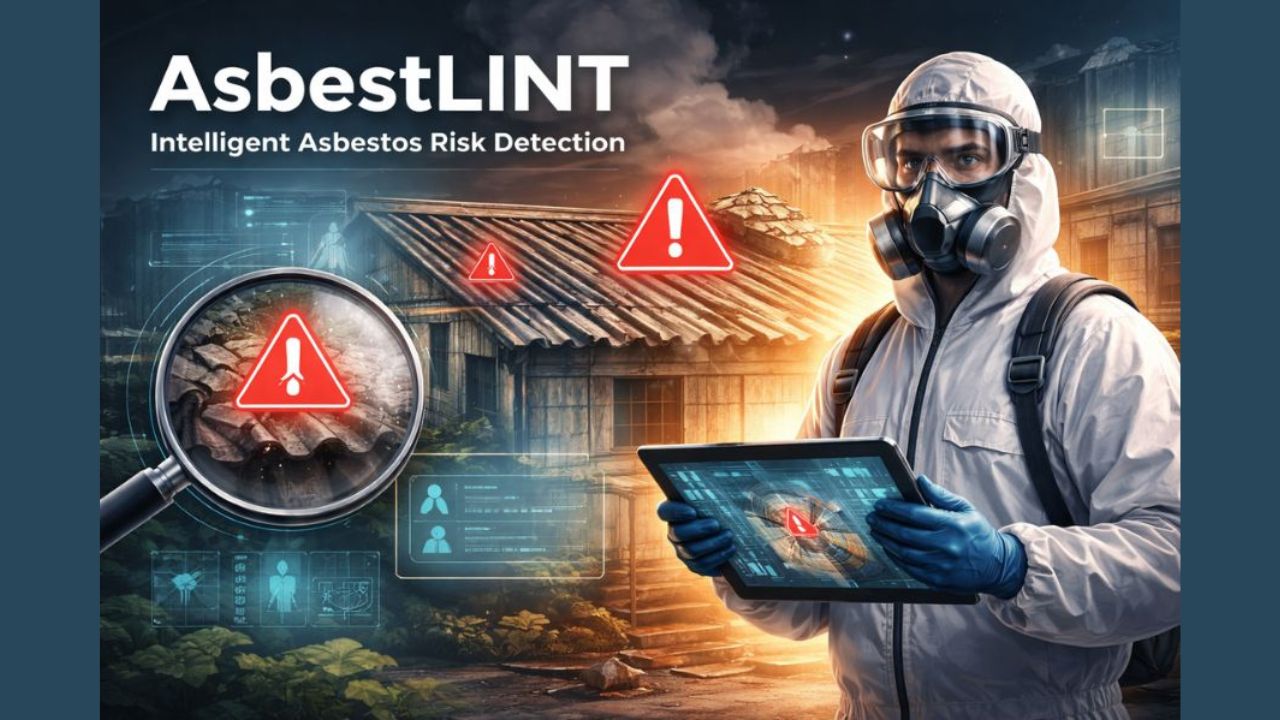
The presence of hazardous materials in older buildings remains a significant concern for homeowners and construction professionals alike. As we progress through 2025 and 2026, the focus on environmental safety has intensified, particularly regarding the identification of asbestlint. This specific material, often hidden within the structural layers of residential and industrial properties, requires a sophisticated approach to management and removal. Understanding the properties of this substance is the first step toward ensuring a healthy living environment for everyone involved.
Historically, various industries utilized fibrous materials for insulation and fireproofing due to their high heat resistance. Among these, asbestlint was frequently chosen for its durability and cost-effectiveness in sealing gaps and insulating pipes. However, modern scientific research has clearly demonstrated the health risks associated with the inhalation of these microscopic fibers. Consequently, strict protocols now govern how we handle, identify, and dispose of such materials in the current year of 2026.
The Nature and Characteristics of Asbestlint
To effectively manage the risks, one must first understand what asbestlint actually is and where it typically appears. It is a fibrous material that was commonly integrated into ropes, tapes, and woven seals. Builders often used it in heating systems, kilns, and around door frames of fire-resistant compartments. Because the fibers are tightly woven, the material can appear harmless until it begins to degrade or suffers physical damage during a renovation project.
In the mid-2020s, technological advancements in mobile detection units have made it easier to identify asbestlint without invasive sampling. Specialized infrared sensors can now detect the unique thermal signature of the fibers through various layers of paint or plaster. This non-destructive testing allows property owners to map out hazardous zones before any dust is created. Therefore, early detection is now more accessible and accurate than it was just a few years ago.
Identifying Potential Risk Zones
Most instances of asbestlint occur in properties constructed before the comprehensive bans implemented in the late 20th century. If you reside in a home built between 1950 and 1990, the likelihood of encountering this material is considerably higher. It often lines the edges of old boiler flues or sits behind electrical fuse boxes as a primitive fire barrier. Additionally, many older window installations used woven strips of this material to prevent drafts and improve thermal efficiency.
Visual identification alone is rarely sufficient because asbestlint can look very similar to modern, safe fiberglass or mineral wool. While modern materials often have a yellow or pink hue, the older hazardous versions usually appear grayish-white or dull blue. However, paint and dust often obscure these colors over time. Professional testing remains the only definitive way to confirm the presence of the substance before starting any structural alterations or demolition work.
The Chemical and Physical Stability
The primary reason for the widespread use of asbestlint was its incredible physical stability under extreme conditions. It does not rot, it resists most chemical reactions, and it can withstand temperatures exceeding 800 degrees Celsius. In industrial settings, these properties made it an ideal gasket material for steam pipes and chemical vats. In 2026, many of these industrial sites are undergoing decommissioning, leading to a surge in the need for specialized abatement services.
Unfortunately, the same durability that made it useful in construction makes it dangerous for human biology. The human body cannot easily break down the silicate fibers found in asbestlint if they enter the lungs. Instead, these fibers remain lodged in the tissue, potentially causing inflammation and long-term cellular damage. This biological persistence is why the construction industry has shifted toward much safer synthetic alternatives that provide similar heat resistance without the health hazards.
Health Implications and Modern Safety Standards
The health risks associated with asbestlint are well-documented, but the way we manage these risks has evolved significantly by 2026. Exposure primarily occurs when the material is “friable,” meaning it can be crumbled or reduced to powder by hand pressure. When asbestlint is disturbed, it releases millions of invisible fibers into the air. These fibers can remain suspended for hours, increasing the window of potential exposure for anyone in the vicinity without proper protective gear.
Modern safety standards now mandate a “zero-tolerance” approach to airborne fibers in residential settings. If a contractor discovers asbestlint during a kitchen remodel or attic insulation update, they must immediately halt work. The area must be sealed using heavy-duty polyethylene sheeting and negative air pressure machines. These machines ensure that air flows into the contaminated zone but never out, preventing the spread of fibers to other rooms in the house.
Understanding the Risks of Fiber Inhalation
When a person inhales fibers from asbestlint, the microscopic particles travel deep into the smallest airways of the lungs. Because the fibers are sharp and needle-like, they can penetrate the lining of the lungs, known as the pleura. Over several decades, this can lead to the formation of scar tissue, a condition often referred to as asbestosis. This scarring reduces the elasticity of the lungs, making it increasingly difficult for the individual to breathe.
Furthermore, long-term exposure is a known factor in the development of more severe conditions like mesothelioma. The latency period for these illnesses can be between 20 and 50 years. This means that exposure occurring today in 2026 might not manifest as a health problem until the mid-2050s or later. For this reason, the current regulations focus heavily on prevention and the use of high-efficiency particulate air (HEPA) filtration during any maintenance involving asbestlint.
Protective Equipment for Professionals
In 2026, the personal protective equipment (PPE) used by abatement teams has become highly advanced. Workers no longer rely on simple paper masks; instead, they use powered air-purifying respirators (PAPRs). These units provide a constant stream of filtered air to the wearer, significantly reducing the physical strain of working in a sealed environment. Furthermore, disposable coveralls used in the presence of asbestlint are now made from specialized non-porous fabrics that prevent fibers from clinging to the skin.
Decontamination units are also a standard requirement for any project involving asbestlint. These mobile three-stage shower units ensure that workers wash away any lingering dust before they exit the work zone. By strictly following these procedures, the industry has successfully reduced the risk of “secondary exposure.” This occurs when workers inadvertently carry fibers home on their clothes, potentially endangering their family members.
Legal Requirements and Removal Procedures in 2026
The legal framework surrounding asbestlint has become much more stringent as of 2026. Most jurisdictions now require a mandatory hazardous material survey before any commercial or residential demolition. Failure to provide this documentation can result in heavy fines and the immediate shutdown of the construction site. These laws ensure that asbestlint is identified and handled by certified professionals rather than untrained general laborers.
The removal process itself is a meticulous operation that prioritizes containment over speed. Technicians often use a “wet method” to handle asbestlint. By saturating the material with a specialized wetting agent, they prevent the fibers from becoming airborne during the removal process. This liquid binds the dust together, making it much easier to collect and seal in approved waste containers for transport to a hazardous landfill.
The Certification and Licensing Process
To work with asbestlint in 2026, companies must hold a specific license issued by environmental protection agencies. This licensing involves rigorous training for all employees and regular equipment inspections. Furthermore, every project must be registered with the local authorities. This registration allows inspectors to perform surprise visits to ensure that the site is following all safety protocols regarding the handling of asbestlint.
Homeowners should always verify the credentials of a contractor before allowing them to touch any suspicious insulation or woven seals. A legitimate professional will provide a detailed work plan, including how they intend to monitor air quality during the project. They will also provide a “clearance certificate” once the job is finished. This document, issued by an independent third-party laboratory, proves that the area is safe for re-entry and free of asbestlint residue.
Disposal and Environmental Stewardship
Once the asbestlint is removed from a building, the responsibility for its safety does not end. The waste must be double-bagged in 6-mil thick plastic bags and clearly labeled with warning signs. These bags are then placed in locked containers for transport to designated hazardous waste facilities. In 2026, many regions have implemented GPS tracking for these shipments to ensure that the waste is not illegally dumped in regular landfills.
Environmental stewardship is a key theme in current waste management policies. While we cannot easily recycle asbestlint, researchers are exploring “vitrification” techniques. This involves melting the hazardous waste at extremely high temperatures to turn it into a harmless, glass-like substance. While this technology is still expensive, it represents a potential permanent solution to the legacy of hazardous materials in our environment.
Modern Alternatives to Asbestlint in Construction
The construction industry has fully embraced safe, high-performance alternatives to asbestlint for all modern projects in 2026. These new materials provide superior fire resistance and insulation without any of the associated health risks. For example, ceramic fiber blankets and calcium silicate boards have become the standard for high-temperature applications. These materials are easier to install and do not require the elaborate safety precautions needed for older substances.
Furthermore, mineral wool has seen a resurgence in popularity due to its natural resistance to mold and fire. Made from molten rock or slag, it provides excellent soundproofing and thermal properties. Builders often choose it for wall cavities and roof spaces because it is durable and environmentally friendly. Unlike the old asbestlint, mineral wool is safe to handle with standard safety gear and does not pose a long-term threat to the building’s occupants.
Innovation in Fireproofing Tapes and Seals
In 2026, the seals used in fire doors and heating systems are made from intumescent materials. These clever substances remain dormant under normal conditions but expand rapidly when exposed to heat. This expansion creates a smoke-tight seal that prevents the spread of fire through a building. These modern seals have completely replaced the need for asbestlint strips in new construction and renovation projects.
Synthetic graphite and silicone-based textiles have also revolutionized the way we seal industrial equipment. These materials can be engineered to specific tolerances, providing a much tighter and more reliable seal than woven fibers ever could. For homeowners, this means that modern heating systems are more efficient and significantly safer. The transition away from asbestlint has pushed the industry toward greater innovation and better overall building quality.
Future Trends in Building Safety
As we look beyond 2026, the integration of smart sensors into building materials may provide the next leap in safety. Imagine a wall that can alert the homeowner if its internal insulation is degrading or if hazardous dust is present. While this technology is in its infancy, the push for “intelligent buildings” is driving research in this direction. This would ensure that materials like asbestlint are never forgotten or accidentally disturbed by future generations.
The goal for the coming decade is the complete eradication of hazardous fibers from the standing housing stock. Through government-funded abatement programs and stricter property sale requirements, the number of buildings containing asbestlint is steadily decreasing. This massive public health effort ensures that our cities and homes become safer places to live and work.
Conclusion: Staying Vigilant in 2026
The legacy of asbestlint continues to influence how we approach property maintenance and renovation in 2026. While the material is no longer used in new products, its presence in older structures remains a significant hurdle. By staying informed about the risks and following professional guidance, property owners can navigate these challenges safely. The key is to never take risks with suspicious materials and to always prioritize health over convenience.
As construction technology continues to advance, we are finding better ways to identify and remove these hazards. The collaboration between scientists, lawmakers, and contractors has created a robust system that protects the public from the dangers of asbestlint. Whether you are planning a small DIY project or managing a large commercial site, remember that safety begins with knowledge. By respecting the protocols of today, we ensure a cleaner and healthier world for tomorrow.
In conclusion, asbestlint is a relic of a different industrial era, but its impact is still felt today. We must continue to invest in education and professional abatement services to manage this persistent risk. Through careful planning and the use of modern detection tools, we can successfully transition our older buildings into the safety standards of 2026. Stay safe, stay informed, and always consult with experts when dealing with potential environmental hazards.
READ MORE: Nigel Havers: Net Worth, Wife, Age, and Top Movies and TV Shows
