


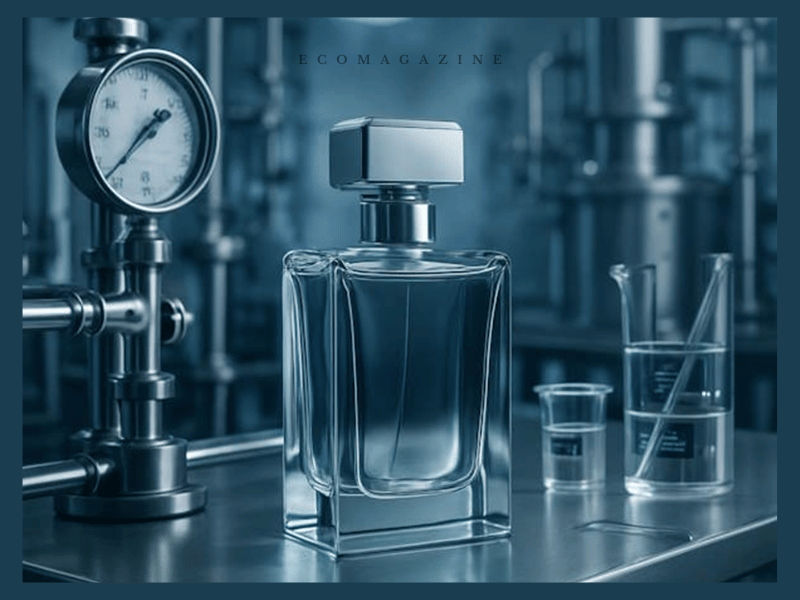
The idea of luxury in perfumery has shifted in recent years, shaped by a desire for refinement that does not rely on excessive cost. Many fragrance lovers want compositions that feel elegant, textured and thoughtfully built, even when crafted for an accessible price. This shift has encouraged perfumers to reconsider how materials, technique and artistry come together in a more inclusive way. The movement is supported by independent makers, including studios such as Luxaro that approach fragrance design with attention to textural nuance and clarity, reflecting a growing respect for craftsmanship beyond conventional price categories.
Shifting Consumer Expectations
Modern fragrance enthusiasts are increasingly informed about materials, structures and olfactory families. This greater familiarity with the art of perfumery has raised expectations, particularly regarding quality. People now look for scents that feel polished and expressive rather than merely inexpensive. Complexity, balance and character have become central to what consumers interpret as luxury.
Longevity is also a key expectation. Many prefer fragrances that maintain presence beyond the opening stages, transitioning smoothly from bright top notes into more nuanced heart and base layers. As a result, perfumers working within accessible budgets aim to construct fragrances that evolve with grace while maintaining clarity and depth.
The Role of Materials in Achieving Affordable Luxury
The materials used in accessible perfumery have improved dramatically due to advances in fragrance chemistry. Modern aroma molecules provide clean citrus tones, airy florals and diffusive woods that rival the character of more costly naturals. These molecules offer stability, radiance and longevity, creating textures that feel refined without relying on rare or premium ingredients.
Naturals still play an important role. Sandalwood accords, jasmine absolutes, touches of patchouli and warm resins introduce complexity that helps anchor the fragrance. The interplay between naturals and molecules allows perfumers to create luxurious sensations through contrast and harmony. Often the elegance of a fragrance arises not from rarity but from the way materials interlock to create depth.
Craftsmanship Beyond Price
Accessible perfumery has become an artistic pursuit in its own right. Many contemporary studios treat the challenge of creating affordable luxury as an opportunity to refine precision and restraint. Through controlled dosing of citrus notes, gentle florals or smooth woods, they create compositions that feel polished without excess.
The structure of these scents is often carefully shaped. The top notes provide clarity, the heart offers subtle transitions and the base grounds the composition with warmth. The craftsmanship lies in ensuring that each stage feels deliberate, with a drydown that holds its shape rather than collapsing into monotony. The result is a fragrance that carries the impression of sophistication even when created within tighter material constraints.
Longevity and Sillage Within Accessible Creations
Longevity is a hallmark of luxury in the mind of many fragrance wearers, and accessible perfumery increasingly takes this expectation seriously. Modern ambers play a key role, offering radiance and persistence without heaviness. Musks add softness and cling to the skin, allowing the fragrance to linger gently throughout the day. Woods contribute structure, helping the composition maintain coherence as top and heart notes fade.
Projection is shaped through diffusive molecules that provide lift without overwhelming the senses. These materials allow a fragrance to create an aura that feels refined rather than forceful. The balance between presence and subtlety is essential to creating an impression of luxury.
Skin Chemistry and Perceived Luxury
Skin chemistry significantly influences how a fragrance is experienced, and this interaction contributes to the impression of refinement. On warm skin, smooth woods and musks often take on a creamy tone, enhancing the luxurious quality of the drydown. Floral notes can become softer and more rounded, while sparkling citruses may achieve a gentle glow rather than a sharp burst.
The way a perfume settles determines how it is perceived. A composition that maintains clarity on the skin, with transitions that unfold naturally, feels inherently more elegant. This relationship between materials and skin is one reason accessible fragrances can still provide a premium experience.
Influence Across Fragrance Families
The push toward affordable luxury has affected every major fragrance family. Citrus scents now incorporate long lasting airy woods or musks to sustain brightness. Florals have become more textured, combining natural petals with modern molecules that enhance transparency. Woody and amber fragrances are often crafted with smoother, more contemporary interpretations that offer warmth without density.
These developments have widened a broad range of perfumes that covers every personal preference, allowing more people to find scents that feel refined yet approachable. The influence extends beyond affordability, encouraging a richer appreciation for composition and artistic expression.
Cultural and Artistic Impact
As luxurious yet accessible perfumery continues to grow, it shapes the broader culture of fragrance. It invites more people to engage with scent as a form of artistry, not just a luxury purchase. It supports experimentation, encouraging perfumers to create compelling compositions with inventive material combinations. Most importantly, it reinforces the idea that luxury is defined by experience, restraint and craftsmanship rather than by price alone.
Through thoughtful construction and evolving techniques, modern perfumery demonstrates that an elegant fragrance can be both expressive and attainable. The rise of accessible luxury reflects a changing understanding of what makes a scent feel special, grounded in artistry rather than exclusivity.
