


The way we travel has undergone a massive transformation. It wasn’t long ago that “luxury travel” was synonymous with excessive air conditioning and imported exotic goods that left a massive carbon footprint. Today, the savvy traveler is looking for something entirely different. We are witnessing the rise of the conscious explorer—someone who wants to experience the world without leaving a scar on it. Sustainable travel is no longer a niche market; it has become the gold standard, blending high-end comfort with deep environmental responsibility.
The Harmony of Landscape and Design
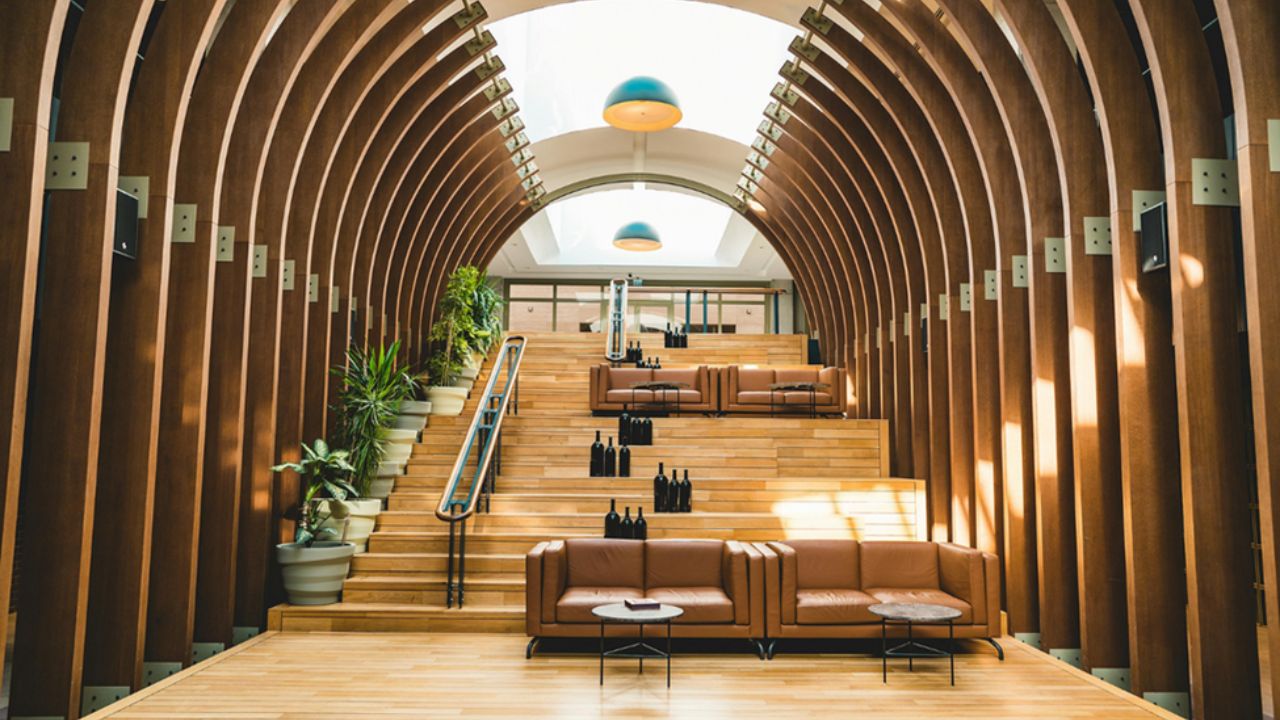
One of the most exciting aspects of this shift is how we think about the structures we inhabit while on vacation. Modern eco-resorts are no longer just “green-washed” concrete blocks. Instead, developers are collaborating with a visionary architectural studio to ensure that every villa and walkway respects the local topography. This integration is particularly evident in rural tourism, where the goal is to disappear into the scenery. A prime example of this evolution can be found in the world of winery architecture, where new estates use subterranean designs for natural cooling, proving that industrial efficiency and high-end tourism can coexist beautifully within a sustainable framework.
Redefining the Luxury Guest Experience
What does luxury look like in 2026? It’s not about marble floors; it’s about the quality of the air, the silence of a remote location, and the purity of the food on your plate. Travelers are increasingly seeking out “Slow Travel” destinations that encourage staying longer in one place. This approach allows guests to truly connect with the local culture. Many of these top-tier eco-destinations operate on a circular economy model, where waste is virtually non-existent, and water is recycled through sophisticated filtration systems to nourish onsite organic gardens.
Carbon Neutrality and the Commute
The biggest hurdle for any eco-conscious traveler remains the journey itself. While we haven’t completely solved the issue of long-haul flight emissions, the industry is making strides in “last-mile” sustainability. Top-tier eco-resorts now provide electric vehicle fleets for guest transfers and offer incentives for those who arrive by train. Furthermore, many travel platforms now integrate verified carbon-offsetting programs directly into the booking process. The focus is shifting toward transparency—travelers want to know exactly where their “green fee” is going, whether it’s toward reforestation or renewable energy.
Supporting Local Economies and Heritage
True sustainability isn’t just about carbon; it’s about people. The most successful eco-tourism projects are those that act as stewards of local heritage. By employing local guides, artisans, and chefs, these destinations ensure that the economic benefits of tourism stay within the community. This creates a virtuous cycle where the local population has a vested interest in protecting the natural beauty that attracts visitors. Whether it’s a craft workshop or a farm-to-table dining experience, the emphasis is on authenticity. Travelers want stories, not souvenirs, and they value experiences that feel socially responsible.
Technology as an Invisible Green Hand
Behind the scenes of these idyllic retreats, high-tech solutions are working quietly to minimize impact. Smart building management systems now use AI to predict energy needs, adjusting temperatures in unoccupied zones automatically. We are also seeing a surge in “passive” technologies—designs that use natural cross-ventilation instead of energy-hungry HVAC systems. Even the materials have changed; cross-laminated timber and recycled glass are replacing carbon-heavy cement. This invisible layer of technology ensures that the guest experience remains seamless and comfortable without the environmental guilt.
The Rise of Regenerative Travel
We are moving beyond “sustainable” travel toward “regenerative” travel, which aims to leave a place better than it was found. Some resorts now invite guests to participate in coral reef restoration or tree planting during their stay. This hands-on approach turns a passive holiday into an active contribution to the planet’s health. It creates a much deeper emotional bond between the traveler and the destination. When you help plant a forest, you aren’t just a visitor anymore; you are a part of that land’s future. This sense of purpose is a major driver for the modern market.
Finding Your Next Green Escape
As we look toward the future, the choice is clear. The most memorable vacations won’t be found in overcrowded tourist traps, but in thoughtfully designed spaces that celebrate the natural world. From off-grid cabins to solar-powered lodges, the options for sustainable exploration are limitless. The key is to do your research, look for legitimate certifications, and choose destinations that prioritize the planet. Travel has always been about expanding our horizons; now, it’s also about ensuring those horizons are still there for the generations that follow us.
