

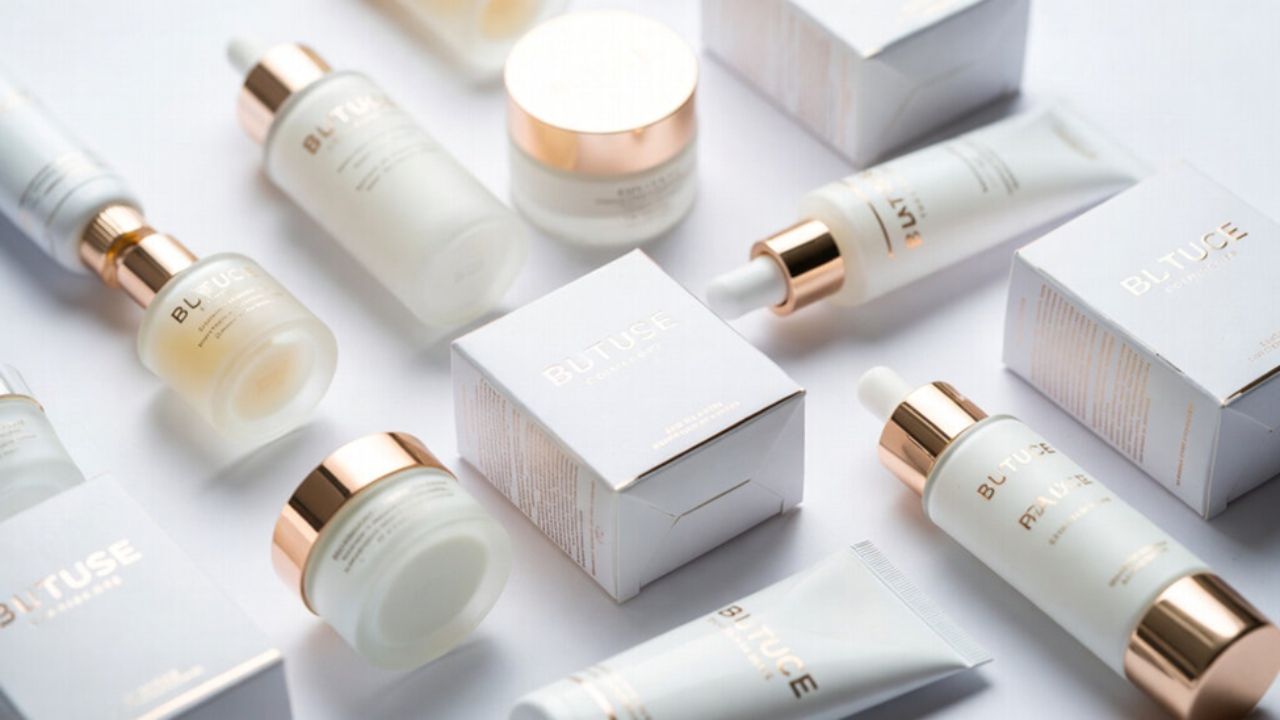
Open a jar of premium British moisturiser and the scent often tells a story before the label does. Calendula, chamomile, English lavender — ingredients drawn from countryside botanicals rather than synthetic formulas. Flip the bottle over and the back label reads like a transparency report: every ingredient listed, certifications displayed, sourcing explained.
That formulation integrity is exactly what Dubai’s beauty consumers are now searching for — and struggling to find consistently from a single market.
The numbers support it. The UAE beauty and personal care market is projected to exceed $1.9 billion in 2025 and continue growing steadily toward the end of the decade. Skincare represents the largest share of the sector, accounting for nearly half of all beauty spending. Within that category, organic and natural skincare is expanding fastest as consumers increasingly prioritise clean ingredients, cruelty-free production, and sustainable packaging.
For founders considering business setup in Dubai, the opportunity is clear. British skincare brands already possess many of the attributes Dubai’s beauty market values most: clinical formulation standards, botanical science, ethical sourcing, and transparent production.
The question is rarely whether the demand exists. The question is whether the business is structured to sell in the UAE effectively.
Why British skincare has a natural edge in Dubai
Dubai’s beauty industry is large, but size alone does not explain why British skincare brands perform well here. The advantage lies in how closely UK beauty philosophy aligns with what consumers in the region are now demanding.
The climate itself creates functional demand for high-performance skincare. With summer temperatures regularly exceeding 45°C and constant exposure to air-conditioned environments, residents experience dehydration, barrier damage, and sun-related skin stress. Products designed for hydration, skin barrier repair, and sun protection therefore serve practical needs rather than purely cosmetic ones.
Clean beauty is another major driver. Consumers in the UAE increasingly scrutinise ingredient lists, seeking products that are natural, organic, cruelty-free, and free from harsh chemicals. British skincare brands tend to lead in this space, often holding certifications from international organisations such as COSMOS, the Vegan Society, and Cruelty Free International. These credentials are not simply marketing tools in Dubai — they are purchasing criteria.
Provenance also matters. Many British skincare brands are built around the story of where their ingredients come from and how they are processed. Whether it is botanicals grown on English estates, organic oils sourced from fair-trade farms, or laboratory-developed plant-based actives, these narratives resonate strongly with Dubai’s luxury beauty buyers.
The diversity of the consumer base adds another dimension. Dubai’s population includes Europeans, Middle Eastern consumers, South Asians, East Asians, and expatriates from across the world, each bringing different skin types, beauty routines, and preferences. A brand that offers diverse formulations and ingredient-led positioning can address a far broader market than in many single-country economies.
Male grooming is also expanding rapidly. Men’s skincare, beard care, and grooming products are gaining traction across the UAE, opening an additional segment where British brands are still underrepresented locally.
How British skincare brands reach consumers in Dubai
Entering the Dubai beauty market involves choosing the right mix of distribution channels rather than relying on a single route to customers.
Retail remains a powerful entry point for premium skincare. Luxury department stores, specialist beauty retailers, and concept wellness stores regularly introduce new international brands to their customers. Placement in these environments can provide immediate visibility, but retailers typically require locally registered suppliers who can invoice in AED and manage stock within the UAE.
E-commerce has become equally important. Online beauty purchasing is expanding rapidly across the Emirates, driven by extremely high smartphone penetration and social media usage. British brands with strong digital storytelling, direct-to-consumer capabilities, and influencer engagement can build an audience before entering physical retail.
Hospitality partnerships represent another significant opportunity. Dubai’s luxury hotels, spa resorts, and wellness centres frequently stock treatment-grade skincare products for both professional use and retail sale to guests. For brands offering high-performance formulations or spa-grade products, these partnerships create recurring B2B revenue alongside consumer brand exposure.
Pharmacies and health-focused retailers provide an additional channel for brands positioned as clinical or dermatological solutions. In these environments, product credibility, ingredient transparency, and certification become even more influential in purchasing decisions.
What you need to know about compliance and product registration
Selling skincare in the UAE requires careful attention to regulatory compliance. The UAE maintains strict standards for cosmetics and personal care products, with active enforcement designed to protect consumers and eliminate counterfeit goods from the market.
Every cosmetic product must be registered before it can be sold. This process is managed through Dubai Municipality’s MONTAJI system, which reviews product ingredients, safety documentation, packaging information, and labeling details.
For British brands already operating under UK or EU compliance frameworks, the transition is usually manageable. Safety assessments, ingredient declarations, and quality testing documentation often align closely with UAE requirements. What changes is that the registration must be submitted through a locally registered company or distributor.
In practical terms, this means a business needs a UAE entity to register its products directly or to appoint a local distributor that holds that responsibility.
Packaging also needs to meet local standards. Labels must clearly list ingredients, product name, country of origin, and relevant consumer information. Bilingual labeling requirements often apply, requiring Arabic alongside English.
While these steps add structure to the process, they also benefit compliant brands by raising barriers against lower-quality competitors.
The commercial case for local establishment
When entering the UAE market, British skincare founders typically consider two commercial approaches. The first is working through a distributor who manages registration, logistics, and retail relationships. The second is establishing their own UAE entity.
A distributor can provide a quick route into retail stores and manage the operational burden of import and registration. However, this approach also means surrendering significant margin and control. The distributor determines pricing structures, negotiates retailer relationships, and often controls how the brand is positioned in the market.
Establishing a local entity produces a different outcome. The founder retains ownership of pricing strategy, customer data, and brand positioning. Products can be registered directly, retailers invoiced locally, and digital channels managed independently.
Local establishment also improves operational efficiency. Billing in AED simplifies transactions with UAE retailers and reduces delays associated with international transfers. Retail buyers are also more likely to engage with brands that can operate through local vendor systems.
Perhaps most importantly, a UAE entity allows the brand to expand regionally. Dubai frequently functions as the commercial hub for distribution across the wider Gulf Cooperation Council, including Saudi Arabia, Qatar, Oman, and Bahrain.
From formulation to first sale: setting up in the UAE
For many founders, expanding to Dubai does not require relocating manufacturing or building large infrastructure immediately. Most British skincare brands maintain production in the UK while establishing a commercial entity in the UAE to manage sales and distribution.
The process begins with selecting the appropriate trade license activities. These typically cover cosmetics trading, retail distribution, e-commerce sales, or related consultancy services. A structure that allows multiple activities under one license provides flexibility as the business grows.
Once the activities are chosen, the company can be incorporated. Through Meydan Free Zone, British founders can establish a company entirely online without travelling to the UAE. The Fawri licensing structure enables incorporation in under an hour, creating the legal entity required for banking, contracts, and product registration.
After incorporation, local banking arrangements allow the company to invoice retailers in AED. With the entity in place, products can then be registered through the MONTAJI portal, enabling legal sale across the UAE.
Operationally, most brands adopt a hybrid structure. Manufacturing remains in the UK, while inventory is shipped to UAE logistics providers for local fulfilment. The Dubai entity manages contracts, invoicing, product registration, and buyer relationships. Digital marketing and e-commerce operations often remain centralised in the UK while serving UAE customers.
As sales expand, founders may eventually add local staff or activate residency visas to support retail partnerships and brand development on the ground.
What a Meydan Free Zone entity actually gives you
For British beauty brands, the difference between operating from the UK and establishing a UAE entity is largely commercial rather than technical.
Without a local company, product registration becomes difficult, retailers may hesitate to onboard the brand, and payments must move through international transfers. With a UAE entity, those barriers largely disappear.
A company established through Meydan Free Zone can register products directly, invoice retailers locally, and manage distribution channels without relying entirely on intermediaries. The founder retains control over pricing strategy, marketing, and customer relationships.
The structure also allows businesses to repatriate profits, combine multiple relevant business activities under one license, and operate across retail, wholesale, and digital channels simultaneously.
Administrative support services available through the free zone handle compliance, renewals, and bookkeeping, allowing founders to focus on product development, branding, and sales rather than regulatory administration.
Conclusion
Dubai’s beauty market is not lacking products. What it continues to seek are brands that combine formulation integrity, credible sustainability credentials, and authentic brand storytelling.
British skincare companies already excel in these areas. Botanical science, ethical sourcing, and transparent ingredient disclosure are not trends in the UK beauty sector — they are foundational principles.
For brands ready to expand internationally, the demand side of the equation is already in place. The remaining step is ensuring the business structure allows customers, retailers, and partners in the UAE to actually buy the product.
Through Meydan Free Zone, founders can establish that presence quickly, creating the legal and commercial framework needed to register products, access retail channels, and build a long-term beauty brand in one of the world’s most dynamic luxury markets.
