


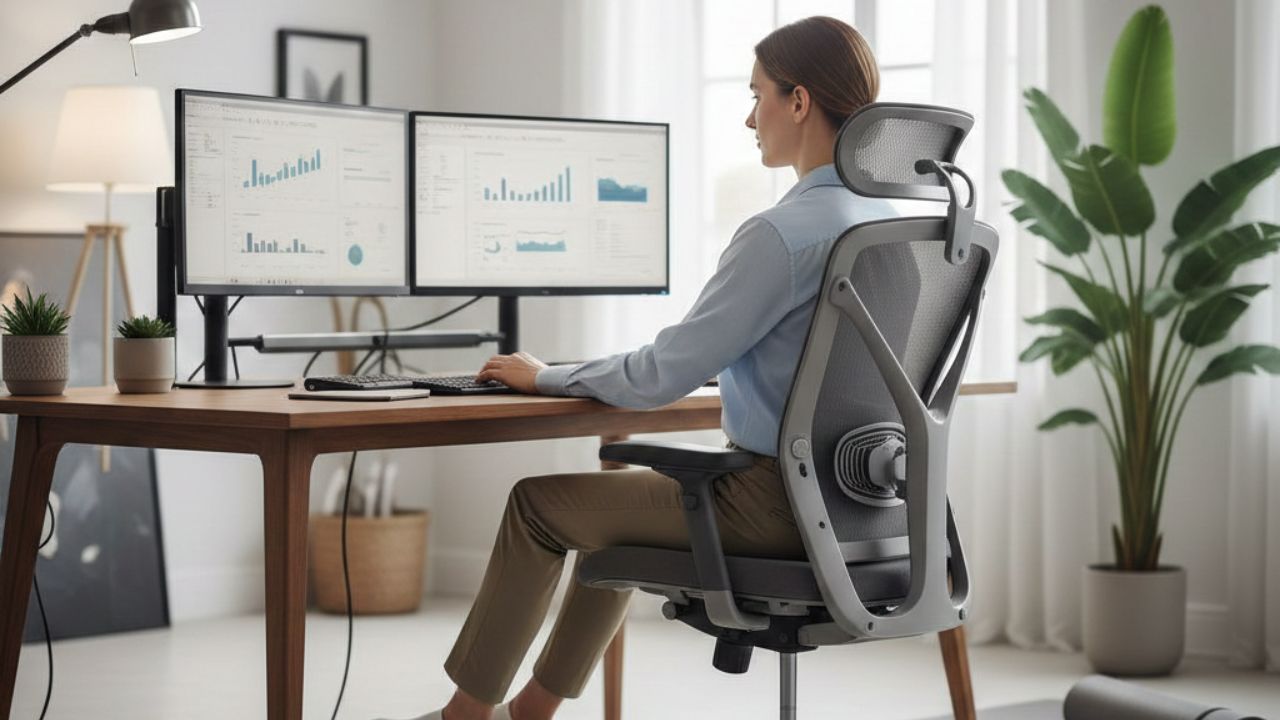
The average professional spends thousands of hours each year sitting at a desk. With this reality, the focus on workplace wellbeing has shifted, placing ergonomics front and centre. As awareness grows around the impact of working environments on health and productivity, one key factor is gaining overdue attention: the humble office chair. It’s not just a piece of furniture, but a daily fixture that directly affects how we feel, focus and function.
An ergonomic setup isn’t a luxury – it’s quickly becoming a necessity in both home and commercial offices. And as conversations around sustainability grow louder, it’s not enough for furniture to be comfortable; it must also meet the values of an eco-conscious workforce.
What Makes a Chair Ergonomic?
An ergonomic office chair is designed to support the body in a neutral sitting position, reducing physical strain and promoting better posture throughout the day. Key features typically include adjustable seat height, lumbar support, backrest angle control, and armrests that accommodate a natural wrist position. The seat should encourage even weight distribution without placing pressure on the thighs or hips.
These features work together to support the natural curvature of the spine, ease muscle tension, and improve circulation. The result is more than comfort – it’s the foundation for long-term musculoskeletal health. While style and aesthetic may still play a role, ergonomic design focuses first on function, with physical wellbeing as the priority.
Choosing the right ergonomic office chairs can reduce common issues like lower back pain, neck stiffness and fatigue. This can lead to fewer sick days and improved concentration, making the benefits relevant not just to individuals, but to employers invested in productivity and team wellbeing.
Health Impacts of Poor Seating
Sitting for extended periods in poorly designed chairs can lead to a range of health concerns. Among the most common are lower back pain, joint stiffness and repetitive strain injuries. Over time, poor posture can also lead to reduced mobility, nerve compression and chronic discomfort.
These issues are not limited to older workers or those with existing health problems – they affect professionals of all ages. The World Health Organisation has recognised the sedentary lifestyle as one of the top threats to public health. Office design plays a substantial role in this, and chairs are at the centre of that conversation.
Beyond the physical implications, uncomfortable seating can also impact mental wellbeing. Discomfort often leads to distraction, irritability and lower morale, which directly affects the working atmosphere. In contrast, ergonomically designed chairs can encourage focus and even contribute to a more positive outlook on the working day.
Eco-Friendly Choices in Office Furniture
Ergonomics and sustainability are no longer separate goals. Increasingly, furniture makers are creating seating solutions that address both physical comfort and environmental responsibility. Materials such as recycled plastics, responsibly sourced wood and non-toxic fabrics are now available in ergonomic office furniture ranges.
Manufacturers are also rethinking production processes to reduce waste, conserve water and cut emissions. Some are adopting circular economy models that allow for parts to be repaired or recycled, extending the life of the product and reducing landfill waste. For businesses aiming to meet environmental goals, choosing sustainable office furniture is a tangible way to back up their values.
Longevity is another factor to consider. A well-made ergonomic chair built from sustainable materials can outlast cheaper alternatives by many years. This reduces the need for frequent replacements, which in turn lowers environmental impact and offers better value over time.
Office design is evolving, and with good reason. As work and life continue to overlap, especially in hybrid and remote settings, wellbeing has become a top priority. The office chair, often overlooked, is a key piece in this puzzle. Investing in high-quality ergonomic office chairs supports more than just posture – it influences overall health, daily comfort and long-term productivity.
At the same time, making environmentally responsible furniture choices signals a commitment to both people and the planet. For individuals and businesses alike, combining ergonomic design with sustainability is not a trend – it’s a forward-thinking approach to workspaces that truly support those who use them.
