


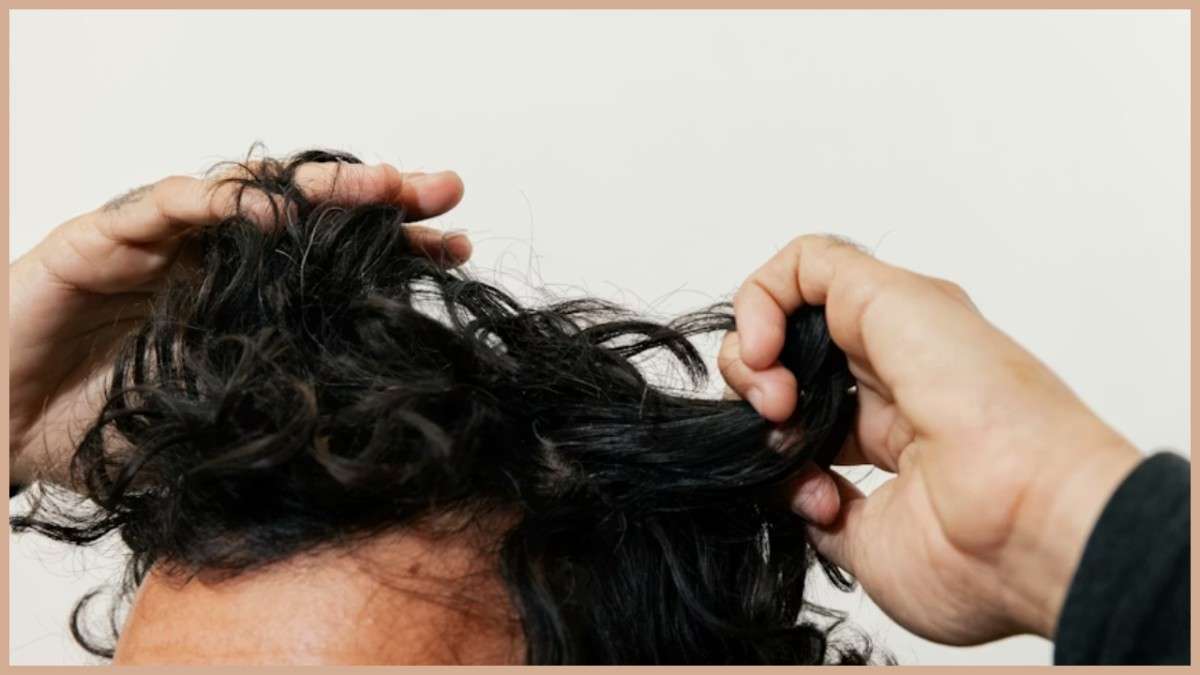
The topic of hair vitamins has gained popularity among people hoping to enhance the look and feel of their hair. With a wide variety of products available, it’s easy to get swept up in the excitement. But what is actually behind these supplements, and do they deliver on their promises? In this article, we look at the science, the ingredients, and the real-life experiences that shape the ongoing discussion about hair vitamins.
How hair vitamins work and what they contain
When people mention hair vitamins, they’re typically talking about supplements that claim to support normal hair growth and appearance. These products often feature a mix of vitamins, minerals, and sometimes plant extracts. Common ingredients include biotin, vitamin C, vitamin E, zinc, and folic acid. Each of these nutrients plays a part in the body’s natural processes that influence the scalp and hair follicles. For instance, biotin is linked to keratin production, while vitamin C helps with collagen formation. Some products, such as hair vitamins, combine these nutrients in carefully balanced amounts. It’s important to remember that although these ingredients are vital for the body, taking more than necessary doesn’t always lead to better results. The body can only absorb so much, and any excess is usually eliminated. Therefore, understanding the formulation and the purpose of each ingredient is essential when choosing a supplement.
What users experience and what to expect
Many people who use hair vitamins share stories of improvements in how their hair looks and feels after regular use. Some notice less breakage, a shinier appearance, or even quicker growth. Still, it’s important to recognize that results can differ greatly from person to person. Genetics, diet, and overall lifestyle all influence how hair responds to supplements. Most experts agree that hair vitamins may be helpful for those with specific nutrient deficiencies, but they are not a miracle solution. If someone’s diet already provides enough of the necessary nutrients, adding a supplement might not make a noticeable difference. On the other hand, for those who are missing certain nutrients, targeted supplements can help fill the gap. It’s always best to approach these products with realistic expectations and to see them as one part of a broader self-care routine.
How to find the right supplement for you
With so many choices on the market, finding the right hair vitamins can seem daunting. The best strategy is to look for clear labeling and a straightforward explanation of why each ingredient is included. Trustworthy brands will share information about sourcing, manufacturing practices, and recommended dosages. Consulting a healthcare professional before starting any new supplement is also a good idea, especially for those with health conditions or who are taking medication. While marketing can be convincing, the most reliable products are those that emphasize quality and evidence-based formulas. By focusing on these aspects, consumers can make decisions that suit their individual needs and goals. For those who want to learn more, additional resources are available.
