

The fashion industry has long been associated with overproduction, waste, and short-lived trends. As awareness of these issues grows, more consumers and creators are questioning not just what they buy, but how clothing is made in the first place.
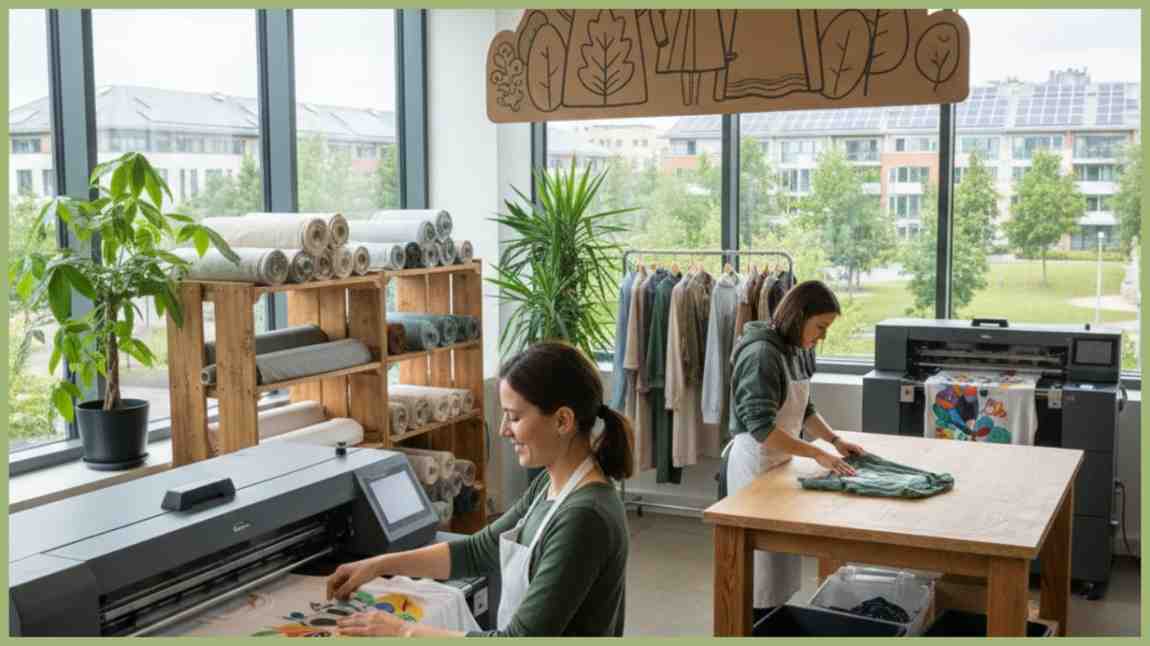
One production model gaining attention in this shift towards more responsible fashion is print-on-demand. Rather than producing large volumes of garments in advance, print-on-demand focuses on creating items only when they are actually needed. This change in approach has meaningful implications for waste reduction, longevity, and more mindful consumption.
Tackling overproduction at its source
A major challenge for sustainability in fashion is producing more than needed. Traditional manufacturing relies heavily on forecasts, often resulting in excess stock that goes unsold. These garments are frequently discounted, destroyed, or sent to landfill, contributing to the industry’s environmental footprint.
Print-on-demand flips this model. By producing garments only after an order is placed, it significantly reduces the risk of surplus inventory. Each item has a purpose before it’s made, which helps limit unnecessary resource use.
This approach is particularly effective when paired with versatile base garments, such as blank hoodies for printing, which can be adapted to different designs without requiring new production runs for each variation.
Encouraging longevity over trend cycles
Sustainable fashion is not only about how clothes are made, but also about how long they are worn. Fast fashion thrives on rapid trend cycles that encourage frequent purchasing and disposal.
Print-on-demand often supports smaller, more considered collections. Designs tend to be intentional rather than trend-driven, which can result in garments that people feel more connected to and are therefore more likely to keep.
When clothing is created with a specific purpose or meaning, it’s less likely to be treated as disposable. This emphasis on longevity plays a key role in reducing overall consumption.
Supporting mindful purchasing habits
Impulse buying is a major contributor to unsustainable consumption. Low-cost, mass-produced clothing makes it easy to buy items without much consideration for need or long-term use.
Print-on-demand introduces a pause into the process. Because garments are made to order, consumers are often more intentional about what they choose. This shift encourages people to think about fit, function, and whether the item will genuinely be worn.
For conscious consumers, this aligns more closely with values of buying less, but better.
Reducing waste across the supply chain
Waste in fashion doesn’t only occur at the end of a garment’s life. It exists throughout the supply chain, from unused fabric and excess dye to unsold finished products.
By aligning production more closely with demand, print-on-demand helps reduce waste at multiple stages. Materials are used more efficiently, and fewer garments are produced without a clear destination.
This efficiency can make a meaningful difference when adopted at scale, particularly by small brands and independent creators who are often more flexible in their production choices.
Empowering smaller, ethical brands
Print-on-demand has also lowered the barrier to entry for ethical fashion brands. Without the need for large upfront production runs, smaller businesses can operate more responsibly from the outset.
This enables designers to prioritise sustainability without taking on the financial risk associated with overstock. It also encourages experimentation with responsible practices, such as limited releases or made-to-order collections.
In this way, print-on-demand supports a more diverse and values-driven fashion landscape.
Clothing with purpose, not excess
A key principle of conscious living is intentionality. Clothing that exists for a reason — whether functional, expressive, or meaningful — is more likely to be valued and cared for.
Print-on-demand garments often reflect this mindset. They’re created to fulfil a specific need or idea, rather than to fill shelves or follow fleeting trends.
This purpose-led approach helps shift fashion away from volume and towards value.
Aligning production with real demand
One of the most sustainable outcomes in fashion is better alignment between what is made and what is actually worn. Print-on-demand moves the industry closer to that ideal by reducing guesswork and waste.
When production responds directly to demand, resources are used more thoughtfully and clothing is more likely to find a long-term home.
While no single solution can address all of fashion’s sustainability challenges, print-on-demand represents a practical step towards a more responsible system.
A model that supports conscious living
For consumers striving to live more sustainably, understanding how clothing is produced is an important part of making informed choices. Print-on-demand offers a model that supports reduced waste, mindful purchasing, and longer garment lifecycles.
By encouraging fewer impulse buys and prioritising garments with purpose, it aligns closely with the values of conscious living.
As conversations around sustainability continue to evolve, approaches that focus on making less — but making it matter — are likely to play an increasingly important role in the future of fashion.
