


Industrial work environments present continuous safety challenges. In complex settings like manufacturing plants, warehouses, and construction sites, risks can emerge at any moment. For human safety teams, maintaining constant oversight across a large area is a difficult task. This often leads to a reactive approach, where incidents are analyzed after they occur. The sheer volume of daily activity makes comprehensive, real-time hazard identification a significant operational hurdle.
Automating Observation to Focus Human Expertise
Artificial intelligence systems can act as a tireless set of eyes, analyzing visual information from existing camera systems to spot unsafe conditions. These automated platforms can monitor operations around the clock without fatigue, flagging specific events that deviate from established safety protocols. This capability augments human teams instead of replacing them. A safety manager cannot review hundreds of hours of video footage, but an AI can, presenting only the moments that require human evaluation.
This process shifts the safety professional’s work from manual detection to strategic analysis. Instead of spending hours searching for potential problems, leaders receive a curated feed of events that warrant their attention. This allows them to apply their experience where it matters most.
- Leaders can dedicate more time to coaching employees on safe work practices.
- They can conduct more thorough root cause analyses of identified risks.
- Time is freed up for improving safety policies and procedures.
- Focus moves toward high-impact activities that require human judgment and communication.
Improving Data Quality for Better Risk Analysis
Manual safety observation programs can produce inconsistent information. Data gathered by different people may vary because of experience levels, individual focus, or simple human error. This can create an incomplete or skewed picture of an organization’s risk profile. An automated system, in contrast, applies the same criteria to every observation, generating objective and standardized data.
This high-quality information empowers safety leaders to make better decisions. With a reliable dataset, they can perform accurate trend analysis to see where and when specific unsafe behaviors happen most often. A warehouse manager, for example, might use AI-generated reports to notice a pattern of near misses involving forklifts in a specific aisle. An investigation could reveal a poorly placed pallet rack is the cause. The manager can then correct the physical environment, preventing a serious incident before it happens.
Enhancing Proactive Safety Measures
Many safety programs are reactive, responding to incidents after they have already happened. AI helps shift safety management toward a more proactive model by identifying leading indicators of risk. It can spot hazardous situations or patterns of unsafe behavior that might otherwise go unnoticed or unreported. This continuous stream of information provides an early warning, giving leaders a chance to intervene before a minor issue escalates.
This approach strengthens an organization’s ability to prevent accidents. It creates a documented record of risk identification and mitigation efforts, which also improves audit readiness. A proactive system can help with:
- Detecting congested areas where vehicle and pedestrian traffic frequently intersect.
- Monitoring compliance with personal protective equipment policies automatically.
- Flagging abnormal operational patterns that could indicate a process failure.
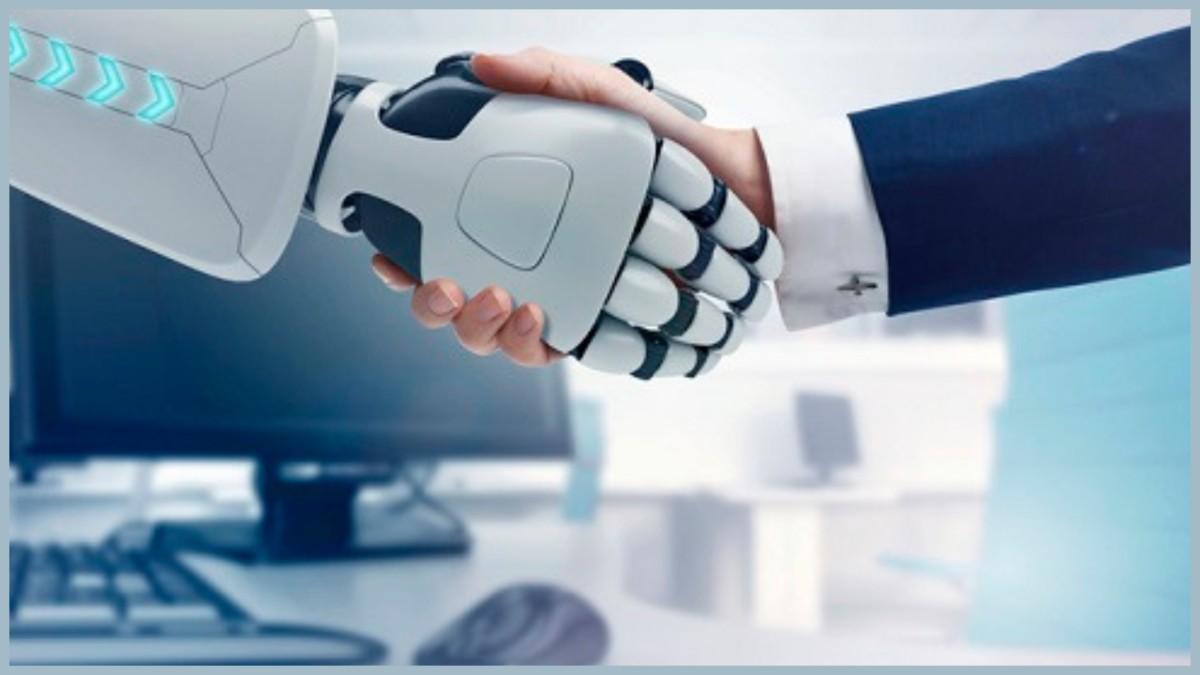
Artificial intelligence is a powerful assistant, not a substitute for the experience of a human safety professional. The technology handles the immense task of continuous monitoring and data processing, which are functions that people are not equipped to perform at scale. This allows leaders to concentrate on the human elements of safety management: building a strong culture, communicating with the workforce, and implementing creative solutions to complex problems. For organizations examining these concepts further, it is helpful to review materials that detail the role of AI in modern EHS management.
