


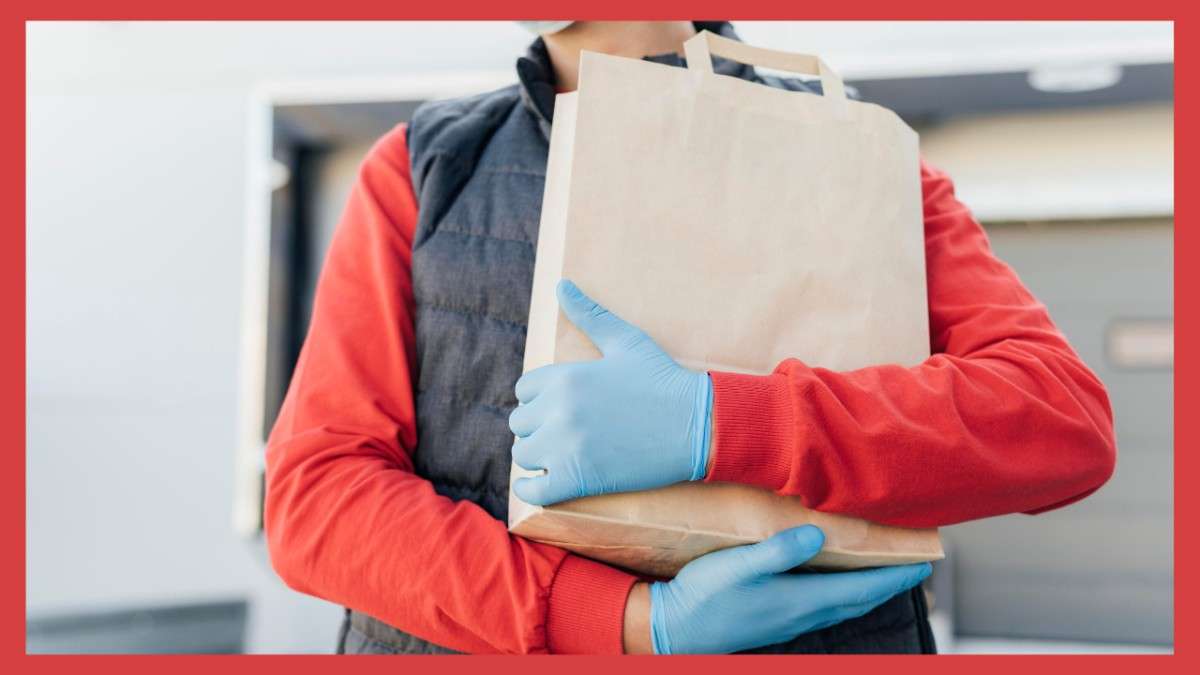
UK ecommerce has grown fast over the past few years. What once felt like a side channel is now the main route to market for thousands of small and medium businesses. From fashion sellers to online retailers and local brands shipping nationwide, fulfilment has become a daily pressure point.
Among all fulfilment choices, mailing bags are often overlooked. Many businesses focus on pricing, ads, or delivery speed, but packaging plays a bigger role than most expect. The right mailing bags can cut costs, reduce returns, protect goods, and improve customer trust.
For UK businesses operating in a tight market, this is no longer a small detail. It is part of how a business survives and grows.
The shift in UK fulfilment expectations
UK customers expect fast delivery, clean packaging, and goods that arrive in perfect condition. They also expect businesses to be mindful of waste and materials.
This puts pressure on sellers to rethink how they pack and ship orders. Heavy boxes are not always the answer. Oversized packaging wastes money and space. Poor quality bags lead to damaged items and unhappy customers.
Mailing bags sit at the centre of this problem. They are used every day, in high volume, and across almost every ecommerce sector.
Why mailing bags suit modern UK ecommerce
Mailing bags are lightweight, strong, and easy to store. For businesses shipping clothing, soft goods, printed items, or boxed products inside secondary packaging, they often make more sense than cartons.
Lower weight helps keep Royal Mail costs under control. Flexible packaging takes up less warehouse space. Packing time is quicker, which matters when orders increase during peak periods.
Many UK sellers now build their fulfilment process around reliable mailing bags rather than treating them as an afterthought.
Businesses that source well tend to work with established UK suppliers such as Mr Bags UK, where consistency and stock availability matter more than chasing the lowest price.
Cost control in a tight UK market
Margins are under pressure across UK ecommerce. Carrier costs rise. Returns are expensive. Customers expect free or low-cost delivery.
Mailing bags help manage this reality. Lightweight packaging reduces postage bands. Proper sizing avoids wasted space. Strong seals reduce losses in transit.
Choosing the right mailing bags is not about saving pennies per unit. It is about controlling costs across hundreds or thousands of orders each month.
For SMEs, those savings often decide whether growth is sustainable.
Protection and returns prevention
Damaged goods are one of the biggest hidden costs in ecommerce. Each return means extra shipping, staff time, and lost goodwill.
Quality mailing bags protect items from moisture, handling damage, and tearing. This is especially important in the UK, where parcels often pass through multiple sorting points and weather conditions can change quickly.
Strong materials and reliable seals reduce the risk of items arriving damaged or opened. This matters not just for customer satisfaction, but also for brand reputation.
Why grey mailing bags are widely used
Grey mailing bags have become a standard choice for many UK businesses. They offer a clean, professional look and help hide the contents of a parcel.
This matters for security and privacy. Customers do not want the contents of their order to be obvious. Retailers want to reduce theft risk during transit.
Many sellers now use grey mailing bags as their default option, especially for clothing, accessories, and small goods. They suit a wide range of sectors and maintain a neutral brand appearance.
Storage, speed, and daily operations
Packaging affects how quickly orders leave the building. Mailing bags are easy to store, simple to use, and quick to seal.
For businesses handling orders in-house, this saves time each day. For those using small fulfilment teams, it reduces errors and training time.
During busy periods such as Christmas, sales events, or product launches, speed and simplicity become critical. Mailing bags support that reality far better than complex packaging setups.
Sustainability pressures in the UK
UK businesses face growing pressure to act responsibly. Customers ask questions about materials. Retailers face tighter rules and expectations.
Mailing bags have evolved to meet this demand. Many are now recyclable and designed to reduce excess material without losing strength.
Using the right bag size and type reduces waste. Sourcing from UK suppliers cuts transport emissions. These choices support both compliance and brand trust.
Sustainability is no longer a marketing message. It is part of everyday operations.
Building trust through consistency
Customers notice when packaging changes. Inconsistent packaging can feel unprofessional, even if the product itself is fine.
Reliable mailing bags help maintain a consistent delivery experience. Orders arrive looking clean, secure, and well handled. This builds trust over time and supports repeat business.
For growing UK ecommerce brands, these small details shape how customers see the business.
Choosing the right UK supplier
Not all packaging suppliers are equal. UK businesses benefit from working with suppliers that understand local shipping rules, delivery services, and demand cycles.
Stock availability, lead times, and support matter more than bulk discounts alone. When a supplier runs out during peak season, the impact can be serious.
That is why many businesses prefer established UK packaging suppliers who focus on quality, consistency, and service, not just price.
Mailing bags as part of a wider fulfilment strategy
Mailing bags should not be chosen in isolation. They sit alongside picking, packing, carrier choice, and returns handling.
When aligned properly, they help businesses ship faster, reduce costs, and protect goods. When chosen poorly, they create friction across the whole operation.
UK ecommerce is competitive and fast moving. Businesses that treat packaging as a strategic choice are better placed to adapt and grow.
Final thoughts
Mailing bags are no longer a background detail in UK ecommerce. They play a direct role in cost control, customer satisfaction, and operational efficiency.
For SMEs, retailers, and online sellers, reviewing packaging choices is one of the simplest ways to improve fulfilment without major investment.
In a market where every decision counts, the right mailing bags help businesses deliver better outcomes, one parcel at a time.
