


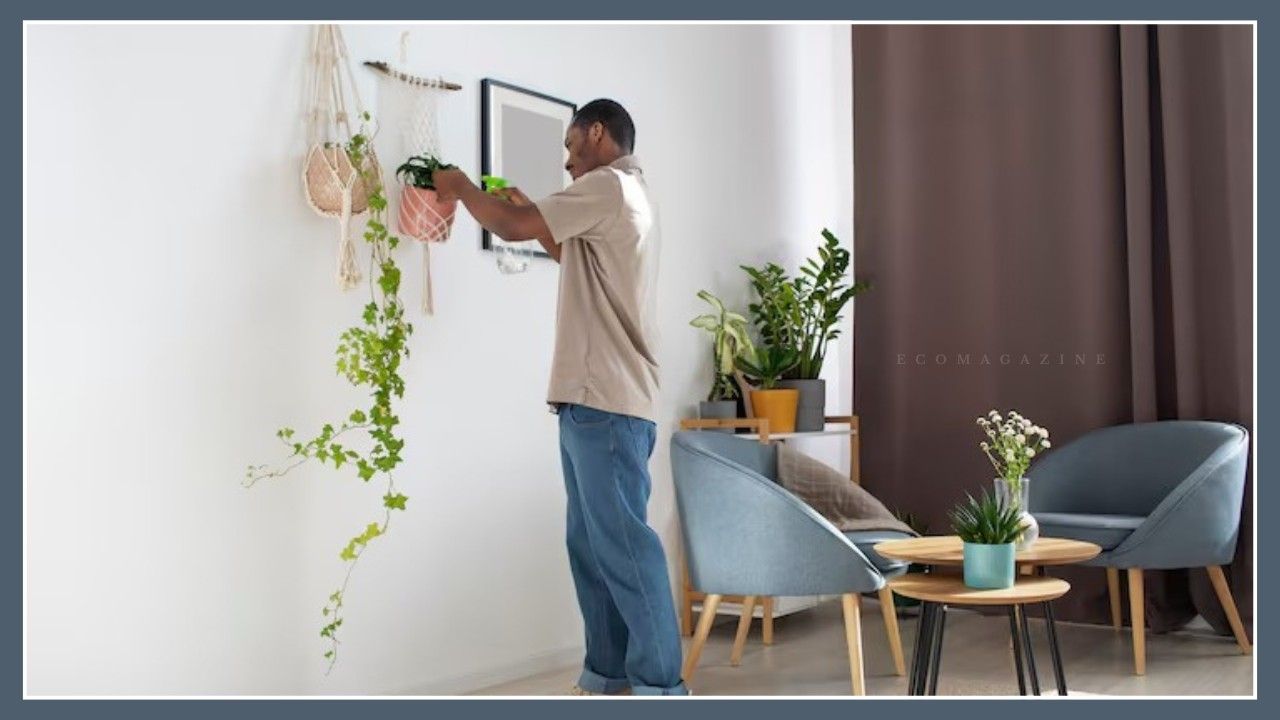
Walk into a home owned by someone in their twenties or thirties today, and it feels different. The layout is looser. The colors shift. The furniture works harder. A younger wave of homeowners and renters is reshaping what “home” means, and the result looks nothing like the playbook their parents grew up with.
One of the biggest shifts is the move toward flexible spaces. A living room is no longer just a living room. It might be a work zone by morning, a workout spot after lunch, and a cozy hangout by night. New generations want spaces that adjust as their life shifts through the day. This preference shows up strongly in places like real estate in RINO Denver, where converted warehouses and open-layout condos give people room to adapt. Wide walls, clean lines, and mixed textures are part of that visual story.
There’s also a deeper emotional layer. Younger buyers and renters often have high mobility in their lifestyle. They expect to change cities more than once, try new careers, or pick up short-term contracts for long stretches. So they decorate in a way that travels well. Lightweight furniture, pieces with hidden storage, and décor that fits in boxes without drama. Even art has changed. Instead of heavy frames, people lean toward prints, canvas wraps, or posters that clip on and off the wall in minutes.
What about the cash?
Money plays a role, too. With higher housing costs in cities across the country, including Denver’s core neighborhoods, people make every square foot count. They focus on essentials, then mix in smaller personal items that carry meaning instead of collecting things just to fill space. The result is a cleaner look with a sharp personality. Nothing feels wasted.
At the same time, younger generations care more about comfort than formality. They want soft lighting, natural fabrics, plants that bring in fresh air, and materials that feel calm. There’s a clear move away from huge furniture sets and stiff layouts. People want their home to feel lived-in from the start, not like a showroom that still needs permission to breathe.
Digital influence also shows up everywhere. People shop for decor through short videos, creator reviews, and social feeds. They try a look, change it quickly, and shift again based on the next wave of inspiration. Decorating is no longer a one-time purchase. It’s an ongoing process. This creates an easy, low-pressure approach where mixing and matching becomes the norm.
Yet this shift is not happening evenly across the country. Look at caregiver burnout in senior homes in Louisiana, for example. These communities bring a different set of priorities. People there focus on comfort, safety, and simple layouts that support steady movement. Still, even in those settings, younger family members influence décor choices. They introduce softer color palettes, more open rooms, and easier furniture arrangements that reduce clutter and create flow. It shows how generational taste trickles across age groups.
New generations also care more about sustainability. They shop secondhand. They pick up reclaimed wood. They buy from local artists instead of mass-produced catalogs. In neighborhoods with an industrial past, such as RINO Denver, this habit blends perfectly with the character of the area. Brick walls, metal accents, exposed beams, thrifted furniture pieces. Its texture mixed with story.
The broader theme is simple. Home decoration is shifting from fixed and formal to flexible and expressive. It’s less about big sets and more about shaping a space that supports everyday life. It’s about choices that reflect how people actually live, not how they think a home is supposed to look.
And as new generations continue to move, grow, and experiment, the definition of “home” keeps stretching with them.
