


Hair loss often starts quietly. A few extra strands on the pillow, a patch that looks softer in the mirror, or a hairline that seems to shift slightly each month. At first, it is easy to ignore. Then one day it becomes the first thing you notice during your morning routine. Laser hair therapy for men offers a modern, discreet way to slow that process without the effort of surgery or the uncertainty of medication. It is a method designed for men who want to protect the hair they still have and feel like themselves again, whether they are heading to work, out for the weekend, or simply catching their reflection by chance.
This Complete Guide to Laser Hair Therapy for Men explains how the technology works, what results to expect, and how small, steady improvements can rebuild confidence over time.
How Laser Hair Therapy for Men Works
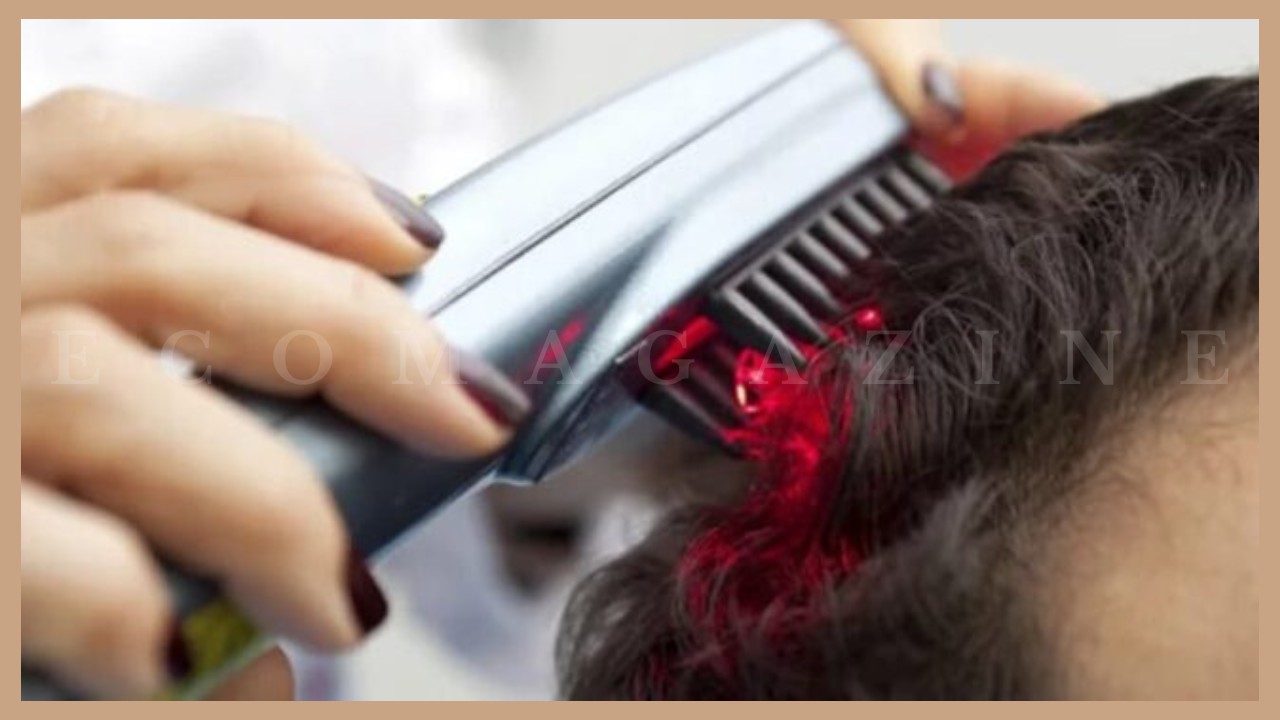
The treatment uses low-level red light to stimulate the scalp. This gentle light targets the hair follicles, encouraging stronger cellular activity. When the follicles become more active, they stay in their growth phase for longer and produce thicker strands.
The idea is simple: improve blood flow, support the surrounding tissue, and help follicles function at their best. The light used is safe, cool to the touch, and does not irritate the skin. Sessions generally take around ten minutes using laser caps, combs, or bands. These devices are designed for at-home use and fit easily into a routine. The technology works best with steady, ongoing use rather than occasional bursts of effort.
Why Men Start Using Laser Therapy
Most men reach for laser hair therapy when the usual styling tricks stop helping. You notice it when hair does not sit the way it used to or the crown looks noticeably thinner under downlights. Some start when they realise they spend too long trying to hide thinning spots in the mirror each morning. Others use it to preserve results after completing another treatment.
Laser therapy is not reserved for severe cases. It is often most effective in the earlier stages, when thinning is noticeable but not advanced. If you can see some scalp but there are still active follicles, the treatment can help maintain density and encourage a fuller look across the months ahead.
You might find it useful if:
- The crown looks fine or patchy under direct lighting
- You have begun adjusting your hairstyle to cover weaker areas
- You want something private and low effort that supports long-term results
- You want to maintain past gains from other treatments
- You prefer a method without medication or surgical recovery
What to Expect as Sessions Build Up
The changes from laser hair therapy for men happen gradually. The first improvement is usually less shedding during washing or grooming. After several weeks, strands may feel firmer at the root and appear less fragile. With consistent use, many men notice their hair looks fuller and sits better day to day.
Studies show that steady use for three to six months can increase hair count and improve thickness in areas that still have active follicles. The treatment cannot bring back follicles that have fully shut down, but it can reinforce weaker ones and slow the progression of thinning. For many, that subtle boost is enough to feel more comfortable and less preoccupied with their hair.
Progress depends heavily on consistency. Skipping a session does not undo previous gains, but regular use keeps follicles supported long enough for the improvement to become noticeable.
Keeping the Routine Easy
Laser therapy works best when it becomes part of your weekly rhythm. Most devices recommend two or three sessions per week. You can use the device while reading, scrolling on your phone, or checking emails. It is meant to blend into ordinary routines rather than disrupt them.
Think of each session as a small investment in maintaining your hair long-term. It is not something dramatic or intense; it is a habit that becomes second nature. The easier the routine feels, the more likely you are to stay consistent and see lasting results.
Why Early Action Makes a Difference
Hair follicles move through natural cycles: growth, resting, and shedding. Laser therapy supports the growth phase, which gradually leads to stronger, longer-lasting strands. Starting early helps because the follicles are still active. Waiting until areas are completely smooth leaves little for the light to work with.
Early intervention also helps maintain density, which has a strong visual effect. Even slight improvements in thickness create the look of fuller coverage, especially through the crown. The difference often shows most clearly in daylight or under overhead lighting.
Combining Laser Therapy With Other Approaches
Some men choose to pair laser sessions with other non-surgical options. For example, good scalp care, reduced heat styling, and balanced nutrition all support healthier growth. Others combine laser therapy with non-surgical hair systems, especially when density has already dropped in some areas. In these cases, laser therapy supports the natural hair underneath, helping maintain the hair you still have.
Laser therapy is flexible enough to fit alongside other methods without interfering. A professional can guide you on which combination suits your stage of thinning and lifestyle.
Getting Professional Advice
Before buying a laser device, it helps to speak with a hair loss specialist. They see a wide range of thinning patterns every day and can suggest which device shape and coverage area matches your needs. A cap, for instance, suits global thinning across the crown, while a band may support recession along the temples.
Professional guidance also helps set realistic expectations. They can assess whether your follicles are still active and explain the type of improvement you might see with consistent use. They can also advise on session frequency, how to use the device around your schedule, and how long to continue before assessing progress.
Staying Confident in Your Own Hair
Laser hair therapy for men is a quiet, modern way to keep thinning from progressing. It helps maintain the hair you have before changes become harder to reverse. When your hairline starts to shift or the crown shows more scalp than before, having a plan in place brings back a sense of control.
With steady sessions and the right guidance, you can support stronger, fuller-looking hair without interrupting your daily routine. Over time, those small improvements build into a noticeable difference, helping you feel more comfortable in your appearance and less distracted by every strand.
